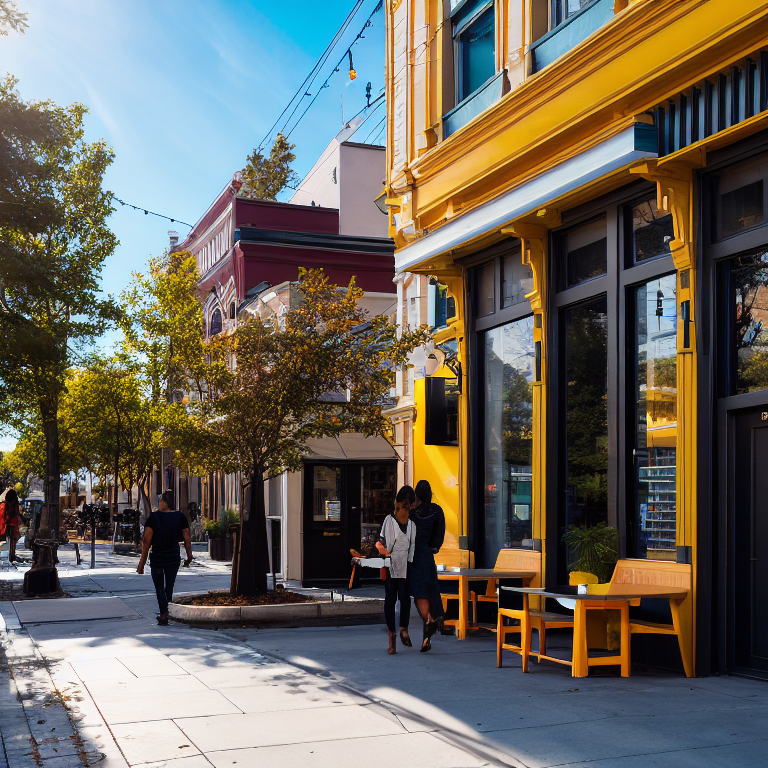
When neighborhoods start changing rapidly, longtime residents often feel like strangers in their own communities. Gentrification brings new investment and development, but it also creates complex challenges for people who have called these areas home for decades. Understanding these impacts helps us see the full picture of neighborhood transformation.
The Economic Pressure of Rising Costs
Housing prices and rents typically increase dramatically in gentrifying neighborhoods. When new residents move in with higher incomes, landlords often see opportunities to charge more. This creates a financial squeeze for longtime residents who may be living on fixed incomes or working in jobs that haven’t seen similar wage increases.
Property taxes also tend to rise as home values increase. Some residents who own their homes outright suddenly find themselves unable to afford the new tax bills. This forces difficult choices between staying in a familiar community or relocating to more affordable areas, often far from established social networks and support systems.
The Cultural Displacement Experience
Beyond financial impacts, longtime residents often experience a sense of cultural displacement as their neighborhoods transform. Local businesses that served the community for generations may close when they can no longer afford rising rents. These establishments weren’t just stores or restaurants—they were gathering places where neighbors connected and traditions continued.
New businesses catering to different demographics often replace these familiar spots. While variety can be positive, the rapid disappearance of culturally significant spaces can feel like a loss of identity for established residents. The neighborhood’s character shifts, sometimes making longtime residents feel like outsiders in spaces they once felt completely comfortable.
Social Network Disruption
Strong communities rely on interconnected social networks. When gentrification forces residents to move, these networks break apart. Elderly residents who relied on nearby family members or neighbors for support suddenly find themselves isolated. Parents who could depend on extended family for childcare may need to rebuild these support systems from scratch.
The loss of these social connections has ripple effects throughout people’s lives. Simple things like borrowing tools, sharing meals during difficult times, or having someone to watch your home while traveling become more challenging when your trusted neighbors are gone. These disruptions can significantly impact quality of life and mental well-being.
Educational Impacts on Families
School systems often change alongside neighborhood demographics. While new investment can sometimes improve educational resources, longtime residents’ children may find themselves in unfamiliar environments where they no longer see themselves represented. Teachers and administrators may change, altering the educational experience that families have come to expect.
Some families choose to move specifically to remain in schools they’ve been part of for years, even if it means longer commutes or financial strain. Others may feel pressured to seek educational alternatives, disrupting children’s established friendships and support systems. These educational transitions can have long-lasting effects on academic achievement and social development.
The Emotional Toll of Feeling Unwelcome
Gentrification can create an atmosphere where longtime residents feel their presence is less valued. Small interactions—like being treated differently in local businesses or seeing their cultural practices viewed as out of place—accumulate over time. This constant feeling of being an outsider in one’s own neighborhood takes a psychological toll.
The stress of potential displacement creates ongoing anxiety. Residents may avoid making improvements to their homes or investing in their properties because they worry about attracting attention that could lead to higher taxes or pressure to sell. This uncertainty about the future affects mental health and overall life satisfaction.
Community Voice and Political Power
As neighborhood demographics shift, longtime residents may find their political influence changing. New residents often have different priorities and may not share the same concerns about affordable housing or community preservation. This can lead to feeling unheard in local government decisions that affect their daily lives.
Community organizations that longtime residents helped build may struggle to maintain relevance or funding as priorities shift. The institutions and advocacy groups that once protected residents’ interests might find themselves sidelined in favor of new initiatives that don’t address the needs of established community members.
The Silver Lining: Some Positive Changes
While gentrification creates many challenges, it’s worth acknowledging that some changes can benefit longtime residents. Improved infrastructure, better public services, and increased safety measures can enhance quality of life. Some new residents actively work to preserve community character and support existing businesses.
Community land trusts and affordable housing initiatives sometimes emerge in response to gentrification pressures. These programs can help protect longtime residents from displacement while allowing for neighborhood improvement. The key is finding ways to balance development with community preservation.
Building Bridges Between Old and New Residents
Some neighborhoods successfully navigate change by fostering connections between longtime residents and newcomers. Community events, shared projects, and intentional relationship-building can help bridge cultural and economic divides. When new residents make efforts to understand and respect existing community culture, tensions often decrease.
Local organizations sometimes facilitate these connections through mentorship programs, cultural exchange events, or collaborative community improvement projects. These initiatives recognize that strong neighborhoods include both stability and healthy growth, with all residents working together toward shared goals.
Looking Forward: Sustainable Community Development
The future of our cities depends on finding ways to allow for growth and improvement while protecting vulnerable residents from displacement. This requires thoughtful policy approaches, including rent stabilization, community land trusts, and requirements for affordable housing in new developments.
Successful models exist in cities that have implemented inclusionary zoning, tenant protection laws, and community benefit agreements. These approaches recognize that economic development and community preservation aren’t mutually exclusive goals. With proper planning and commitment, neighborhoods can evolve while maintaining their essential character and supporting all residents.
The conversation about gentrification must move beyond simple narratives of good versus bad change. Instead, we need to focus on creating development models that benefit everyone—newcomers and longtime residents alike. This means ensuring that neighborhood improvements don’t come at the cost of displacing the very people who helped create the community’s character in the first place.
Frequently Asked Questions (FAQ)
What exactly is gentrification?
Gentrification is the process where higher-income residents move into historically lower-income neighborhoods, leading to increased property values, rents, and changes in the neighborhood’s character and demographics. This often results in the displacement of longtime residents and businesses.
How can communities resist harmful gentrification?
Communities can resist harmful gentrification through tenant organizing, supporting local businesses, advocating for rent control policies, establishing community land trusts, and pushing for inclusionary zoning that requires developers to include affordable housing units.
Are there any benefits to gentrification?
Yes, gentrification can bring improved infrastructure, better public services, increased safety, and more investment in neglected areas. The challenge is ensuring these benefits are shared with existing residents rather than coming at their expense.
What policies help protect longtime residents?
Effective policies include rent stabilization laws, just cause eviction protections, community land trusts, affordable housing requirements for new developments, property tax freezes for longtime residents, and right-to-purchase laws that give tenants the first option to buy buildings.
How can new residents be good neighbors during gentrification?
New residents can be good neighbors by supporting local businesses, learning about the neighborhood’s history and culture, participating in community organizations, advocating for affordable housing policies, and building genuine relationships with longtime residents.
What role do local governments play in managing gentrification?
Local governments can implement zoning laws, provide funding for affordable housing, enforce tenant protections, support community land trusts, and ensure that development projects include community benefits. They can also facilitate dialogue between different stakeholder groups.
Conclusion
Gentrification represents one of the most complex challenges facing our communities today. While it often brings investment and improvement to neglected neighborhoods, it also creates real hardships for longtime residents who may be displaced or feel culturally alienated in their own communities. The key to addressing these challenges lies in understanding that development and community preservation aren’t mutually exclusive goals.
Successful approaches to gentrification focus on creating inclusive growth that benefits everyone. This means implementing policies that protect vulnerable residents while still allowing for positive change. It requires building bridges between old and new residents, supporting local businesses, and ensuring that improvements in infrastructure and services benefit the entire community.
As we move forward, the conversation about neighborhood change must evolve beyond simple narratives of progress versus preservation. Instead, we need to focus on creating development models that honor community history while building sustainable futures. By working together—residents, developers, local governments, and community organizations—we can create neighborhoods that thrive economically while maintaining their essential character and supporting all who call them home.
The most successful communities are those that find ways to grow without leaving their most vulnerable members behind. This requires ongoing commitment, thoughtful policy-making, and a recognition that true community strength comes from diversity and inclusion, not just economic prosperity. When we get this balance right, neighborhoods can become places where both longtime residents and newcomers can thrive together.
Leave a Reply