When we think about changing our communities, we often imagine large-scale initiatives or government programs. But what if the most powerful transformations come from something much simpler? Small acts of kindness have the remarkable ability to create ripples that spread far beyond what we can see. These everyday gestures don’t require massive resources or elaborate planning – just a willingness to care and connect with those around us.
Research shows that kindness has a multiplying effect. When someone experiences or witnesses a kind act, they’re more likely to pay it forward. This creates what sociologists call a “positive feedback loop” in communities. One study found that when people received help, they were significantly more likely to help someone else within hours. These chains of kindness can strengthen neighborhood bonds, reduce isolation, and even improve public health outcomes.
The beauty of small kindnesses is that they’re accessible to everyone. You don’t need special skills, money, or authority to make a difference. A friendly greeting to a neighbor, helping someone carry groceries, or checking on an elderly person during extreme weather are all simple acts that build community resilience. These gestures might seem minor in isolation, but collectively they create a culture of care that makes neighborhoods safer, more connected, and more supportive places to live.
What makes kindness so powerful is its ability to break down barriers. In communities facing challenges like voter apathy or economic uncertainty, small acts of connection can remind people they’re not alone. When neighbors help neighbors, it builds trust that can lead to bigger community initiatives. For instance, a simple offer to share tools might evolve into a neighborhood tool library. A few people organizing a cleanup could spark ongoing environmental stewardship.
The impact extends beyond immediate recipients. When communities experience consistent kindness, it changes the overall atmosphere. People feel safer, more welcome, and more inclined to participate in community life. This matters especially in times of stress, like when rising fuel prices affect small businesses or when economic challenges hit gig workers particularly hard. Communities where people look out for each other tend to weather difficulties better and recover faster.
Small acts of kindness also model behavior for younger generations. Children who grow up seeing adults help others learn that caring for community is normal and expected. This creates a legacy of civic engagement that strengthens democracy and social cohesion over time. It’s one reason why communities with strong volunteer traditions often show higher rates of civic participation and lower rates of social problems.
Perhaps most importantly, kindness is contagious in the best possible way. When you perform a kind act, you not only help the immediate recipient but also inspire observers to act similarly. This creates a virtuous cycle where compassion becomes the norm rather than the exception. In an era of online learning and digital connection, these real-world acts of kindness remind us of our shared humanity and the power of face-to-face community.
The science backs this up too. Studies have shown that communities with higher levels of social connection and mutual support have better health outcomes, lower crime rates, and stronger local economies. People who feel connected to their neighbors are more likely to stay in their communities, invest in local businesses, and participate in civic activities. This creates a positive feedback loop where community investment leads to better outcomes, which leads to more investment.
###IMAGE_PROMPT_START###
A close-up photograph of diverse hands reaching out to help each other – offering a cup of coffee, holding a door open, sharing a meal, planting a seedling together. Warm, natural lighting creates an intimate, hopeful mood. Documentary-style photography with authentic, unposed interactions.
###CONTENT_START###
Understanding the Barriers to Kindness
Many people want to be kinder but feel unsure where to start or worry their efforts won’t matter. This hesitation often comes from feeling overwhelmed by community problems or believing we need special qualifications to help. The truth is that the most effective kindness often comes from ordinary people doing simple things consistently. When we understand that every small action counts, it becomes easier to take that first step.
Time constraints are another common barrier. In our busy lives, adding one more thing can feel impossible. But kindness doesn’t have to be time-consuming. A smile, a compliment, or a quick check-in text takes seconds but can brighten someone’s entire day. The key is finding small moments throughout your day where you can show care without disrupting your schedule.
Fear of rejection or awkwardness also stops many people from reaching out. We worry about bothering someone or being misunderstood. However, most people appreciate genuine kindness, even if they seem surprised at first. Starting with low-stakes interactions like holding doors or offering sincere compliments can help build confidence for bigger gestures.
Cultural differences can sometimes create hesitation about showing kindness across community lines. But research shows that kindness transcends cultural barriers and often serves as a universal language of care. Simple gestures like sharing food, offering help, or showing respect are understood across cultures and can be powerful bridges between different community groups.
Economic concerns also play a role. People sometimes think they need money to be kind, but some of the most meaningful acts cost nothing. Listening to someone who needs to talk, offering your skills and knowledge, or simply being present for someone are all valuable forms of kindness that require no financial investment.
###IMAGE_PROMPT_START###
A wide-angle photograph of a community kindness wall or bulletin board filled with thank-you notes, offers of help, and community announcements. Diverse people of all ages are gathered around, reading and adding notes. Warm, inviting atmosphere with natural indoor lighting and authentic community interactions.
###CONTENT_START###
Building a Kindness Habit
Creating lasting change in your community starts with building personal habits of kindness. Like any habit, this takes intention and practice, but the rewards make it worthwhile. Begin by setting small, achievable goals. Maybe commit to smiling at three new people each day or doing one kind thing for a neighbor each week. These small commitments create momentum.
Track your kindness journey in a simple way. Keep a journal of kind acts you perform or receive, or use a habit-tracking app. Seeing your progress builds motivation and helps you notice patterns in when and how you’re most successful at showing kindness. Many people find that morning hours work best for them, while others prefer evening acts of kindness.
Involve others in your kindness journey. Share your goals with family or friends and invite them to join you. This creates accountability and makes the experience more enjoyable. You might organize a small group challenge where everyone commits to performing certain acts of kindness and shares their experiences weekly.
Create reminders for yourself. Set phone alerts, put sticky notes in visible places, or link kindness acts to existing habits. For example, every time you make coffee, you might text a friend to check in. Or when you leave your house, you might commit to holding the door for someone. These habit-stacking techniques make kindness automatic over time.
Celebrate your progress without becoming self-congratulatory. Acknowledge the positive feelings that come from helping others, but keep the focus on the impact rather than your own virtue. Share stories of kindness you witness to inspire others, but do so in ways that highlight the recipients and the community benefit rather than yourself.
Be patient with yourself as you build this habit. Some days will be easier than others, and that’s normal. The goal isn’t perfection but consistent effort over time. Even if you miss a day or week, you can always start again. The cumulative effect of your efforts matters more than any single day’s performance.
###IMAGE_PROMPT_START###
A series of candid photographs showing different acts of kindness in progress: a person helping carry groceries, someone sharing an umbrella in the rain, neighbors sharing a meal, a child helping an elderly person cross the street. Natural lighting, authentic moments, diverse participants.
###CONTENT_START###
Kindness in Different Community Settings
Kindness looks different in various community contexts, and understanding these nuances helps us be more effective. In workplace settings, kindness might mean covering for a stressed colleague, sharing credit for team successes, or creating a supportive environment for new employees. These actions build workplace culture and can improve productivity and job satisfaction.
In schools and educational settings, kindness creates learning environments where students feel safe to take risks and make mistakes. This might involve older students mentoring younger ones, teachers taking extra time to explain concepts, or creating inclusive spaces where all students feel valued. These kindnesses contribute to better educational outcomes and stronger school communities.
Neighborhood settings offer countless opportunities for kindness. From organizing block parties to creating neighborhood watch programs, these larger initiatives often grow from smaller acts of connection. Something as simple as introducing yourself to new neighbors or organizing a tool-sharing program can transform how a neighborhood functions.
Online communities need kindness too, perhaps now more than ever. Digital kindness might involve offering supportive comments, sharing helpful resources, or creating safe spaces for discussion. In an era of increasing online polarization, choosing kindness in digital spaces can have outsized impact on community health.
Religious and cultural organizations often serve as hubs for community kindness. These institutions can coordinate larger service projects, provide support during crises, and create regular opportunities for members to help others. The existing structures and trust within these organizations make them powerful vehicles for spreading kindness.
Public spaces like parks, libraries, and community centers become more vibrant when people show kindness there. This might mean picking up litter, welcoming newcomers, or organizing community events. These spaces thrive when people feel ownership and responsibility for their care and accessibility.
###IMAGE_PROMPT_START###
A before-and-after photographic series showing a community space transformation: neglected area becoming a thriving community garden through collective kindness and effort. People of all ages working together, planting, watering, sharing tools and knowledge. Warm, hopeful lighting emphasizing community connection.
###CONTENT_START###
The Ripple Effect of Community Kindness
The impact of kindness extends far beyond the immediate interaction, creating waves of positive change throughout communities. When someone experiences kindness, they often feel more connected to their community and more willing to contribute themselves. This creates a virtuous cycle where kindness begets more kindness, strengthening community bonds over time.
Research has documented how kindness affects community health in measurable ways. Neighborhoods with higher levels of social connection and mutual support show lower rates of crime, better mental health outcomes, and stronger economic resilience. These benefits compound over time, creating communities that are better equipped to handle challenges and support their members.
The psychological benefits of kindness extend to givers as well as receivers. People who regularly perform acts of kindness report higher levels of happiness, lower stress, and greater life satisfaction. This personal benefit creates more capacity for giving, allowing people to sustain their kindness practices over the long term.
Communities that embrace kindness often see improvements in civic engagement. When people feel connected and valued, they’re more likely to participate in local government, volunteer for community organizations, and contribute to public discourse. This increased engagement leads to better representation and more responsive community institutions.
The economic impact of community kindness shouldn’t be underestimated. Strong social networks help people find jobs, share resources, and support local businesses. Communities where people help each other tend to have more resilient local economies that can better withstand broader economic challenges.
Perhaps most importantly, kindness helps communities navigate difficult times. During natural disasters, economic downturns, or public health crises, communities with strong networks of care and support tend to recover faster and experience less severe impacts. The relationships built through everyday kindness become crucial support systems when challenges arise.
###IMAGE_PROMPT_START###
A photographic essay showing diverse community members engaged in acts of kindness: sharing meals, helping with childcare, offering professional advice, creating art together, organizing community events. Authentic, unposed moments capturing genuine human connection and care.
###CONTENT_START###
Practical Ways to Start Today
Beginning your kindness journey doesn’t require major life changes or significant resources. Start with what you have and where you are. Today, you could compliment three people genuinely, help someone carry something heavy, or send a message checking on a friend. These small actions take minimal time but create meaningful impact.
Consider your unique skills and how they might benefit others. Are you good with technology? Offer to help neighbors with basic computer issues. Great at organizing? Help someone declutter their space or plan a community event. The most effective kindness often comes from matching your abilities with others’ needs.
Look for patterns in your daily routine where kindness can be integrated naturally. Your commute, grocery shopping, or lunch break all offer opportunities for small acts of care. The key is being intentional about noticing these moments and choosing to act on them rather than rushing past.
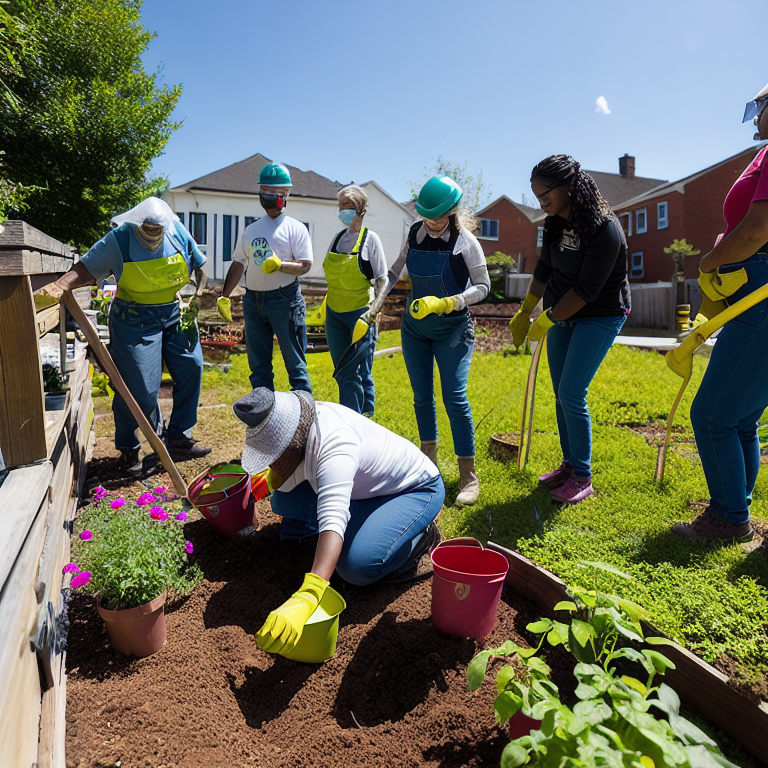
Start a kindness project in your immediate circle. This might be a meal train for someone going through a difficult time, a neighborhood book exchange, or a community garden. Small group initiatives often have outsized impact because they create structures for ongoing kindness rather than one-time gestures.
Document your kindness journey, not for bragging rights but to track your growth and inspire others. Share stories of community kindness on social media, start a neighborhood kindness bulletin board, or simply tell friends about positive experiences. Your stories might motivate others to start their own kindness practices.
Be consistent rather than spectacular. Regular small acts of kindness build stronger community connections than occasional grand gestures. Choose sustainable practices you can maintain over time, and gradually increase your efforts as kindness becomes more natural to you.
###IMAGE_PROMPT_START###
A warm, inviting photograph of a community kindness board filled with colorful notes: offers of help, thank-you messages, community resources, and invitations to connect. Diverse people of all ages are gathered around, reading and adding to the board. Natural indoor lighting creates a hopeful atmosphere.
###CONTENT_START###
Measuring Community Impact
Understanding how kindness affects your community helps maintain motivation and identify areas for growth. While some benefits of kindness are intangible, many can be measured and tracked over time. Start by observing changes in your immediate environment – are neighbors more likely to greet each other? Do you see more community events being organized?
Keep records of your kindness activities and their outcomes. Note when you help someone and any follow-up interactions. Many people are surprised to discover how often their small acts lead to meaningful connections or positive changes. This documentation can help you refine your approach over time.
Look for community-level indicators of kindness impact. Are local businesses reporting higher customer satisfaction? Is there less litter in public spaces? Are more people participating in community events? These broader changes often reflect the cumulative effect of many small acts of kindness.
Survey your community periodically about their experiences and perceptions. Anonymous questionnaires can reveal how people feel about community connection and whether they’ve noticed positive changes. This feedback helps identify which kindness initiatives are most effective and where there might be unmet needs.
Track participation in community activities over time. Increased attendance at neighborhood meetings, community events, or volunteer opportunities often indicates growing community connection. These quantitative measures complement the qualitative benefits of kindness in showing its impact.
Document stories of kindness and their outcomes. When someone shares how a small act made a big difference in their life, capture that story (with permission). These narratives powerfully demonstrate kindness’s impact and inspire others to act similarly.
###IMAGE_PROMPT_START###
A series of candid photographs showing the evolution of a community kindness initiative: from initial small gatherings to larger community events, growing participation, and visible positive changes in the neighborhood. Authentic moments of connection, collaboration, and celebration.
###CONTENT_START###
Overcoming Common Challenges
Even with the best intentions, kindness initiatives can face obstacles. Understanding common challenges and how to address them helps maintain momentum when difficulties arise. One frequent challenge is burnout – trying to do too much too quickly can lead to exhaustion and discouragement.
Time management is another common hurdle. Many people struggle to find time for kindness activities alongside work, family, and other commitments. The solution often lies in integrating kindness into existing routines rather than treating it as an additional task. Small, consistent actions are more sustainable than occasional grand gestures.
Resistance from others can be discouraging, especially when you’re trying to build community connections. Some people may be skeptical of kindness initiatives or uncomfortable with new forms of interaction. Patience and persistence are key – keep showing up consistently and let your actions demonstrate your genuine intentions.
Resource limitations can feel like barriers to making a difference. However, creativity often trumps resources when it comes to kindness. A community potluck requires no money but creates connection. A neighborhood cleanup needs only basic supplies but improves everyone’s environment.
Fear of failure or making mistakes can paralyze people who want to help. Remember that imperfect efforts still create value, and most community members appreciate genuine attempts to contribute. Start small, learn from experience, and gradually build confidence in your ability to make a positive impact.
Cultural differences or misunderstandings can complicate kindness efforts in diverse communities. The key is approaching all interactions with humility, openness to learning, and respect for different perspectives. Ask questions, listen more than you speak, and be willing to adapt your approach based on community needs and preferences.
###IMAGE_PROMPT_START###
A warm, documentary-style photograph of diverse community members gathered around a table sharing a meal together. Authentic expressions of connection, conversation, and care. Natural indoor lighting creates an intimate, hopeful atmosphere of community building through simple acts of kindness.
###CONTENT_START###
Kindness and Community Resilience
Communities that cultivate kindness demonstrate remarkable resilience when facing challenges. This connection between social connection and community strength has been documented across various contexts, from natural disasters to economic downturns. Understanding this relationship helps us appreciate why kindness matters for long-term community health.
During crisis situations, communities with strong networks of care and support tend to recover faster and experience less severe impacts. These social connections provide practical support like sharing resources and information, as well as emotional support that helps people cope with stress and uncertainty. The relationships built through everyday kindness become crucial support systems when challenges arise.
Economic resilience also benefits from community kindness. Strong social networks help people find jobs, share resources during tough times, and support local businesses. Communities where people help each other tend to have more resilient local economies that can better withstand broader economic challenges, such as those affecting gig workers or small businesses facing rising costs.
Public health outcomes improve in communities with high levels of social connection and mutual support. People who feel connected to their neighbors are more likely to seek help when needed, follow public health guidelines, and support others who are vulnerable. This collective care creates conditions for better health outcomes across the community.
Educational resilience also benefits from kindness and connection. Students who feel supported by their community, including neighbors and local organizations, tend to perform better academically and have better long-term outcomes. This support can be especially crucial during challenging transitions or when families face difficulties.
Environmental resilience improves when communities work together with care and cooperation. Whether addressing local pollution, creating community gardens, or preparing for extreme weather events, kind and connected communities can organize more effectively and sustain their efforts over time.
###IMAGE_PROMPT_START###
A series of candid photographs showing community members supporting each other during challenging times: sharing resources, providing childcare, offering emotional support, organizing mutual aid efforts. Authentic moments of care and connection that demonstrate community resilience through kindness.
###CONTENT_START###
Creating Lasting Change
While individual acts of kindness are valuable, creating lasting community change requires strategic thinking and sustained effort. This doesn’t mean abandoning small acts – rather, it means building structures and systems that support ongoing kindness and connection. Think of it as creating a garden where kindness can grow and flourish.
Start by identifying specific community needs and how kindness might address them. This requires listening to community members and understanding their experiences. What challenges do they face? What resources are lacking? What would make their daily lives better? This information helps target kindness efforts where they’ll have the most impact.
Build partnerships with existing community organizations. Churches, schools, libraries, and local businesses often have established networks and resources that can amplify kindness initiatives. These partnerships also help ensure efforts are sustainable and aligned with broader community goals.
Create systems for ongoing connection and support. This might include regular community gatherings, mutual aid networks, or volunteer coordination systems. The goal is to make kindness and connection a normal part of community life rather than occasional special events.
Develop leadership within the community to sustain and expand kindness efforts. This means identifying and supporting people who are passionate about community connection, providing them with resources and training, and creating opportunities for them to take initiative. Distributed leadership helps ensure efforts continue even if key individuals move on.
Measure and celebrate progress along the way. Document stories of positive change, track participation in community activities, and share success stories. Celebration helps maintain momentum and inspires others to get involved. It also helps demonstrate the value of kindness efforts to potential supporters and funders.
Plan for long-term sustainability from the beginning. Consider how kindness initiatives will continue if key people leave, how they’ll be funded over time, and how they’ll adapt to changing community needs. Sustainable efforts often include training new leaders, creating written procedures, and building diverse support networks.
###IMAGE_PROMPT_START###
A warm, documentary-style photograph showing diverse community members engaged in a collaborative project: building a community garden, organizing a neighborhood event, or creating a public art installation. Authentic moments of cooperation, problem-solving, and shared accomplishment that demonstrate lasting community change through kindness.
###CONTENT_START###
The Future of Community Kindness
As our communities evolve, so too must our approaches to kindness and connection. Understanding emerging trends and challenges helps us prepare for the future while staying true to kindness’s core values of care, respect, and mutual support. The future of community kindness will likely look different from the past, but its essential purpose remains the same.
Technology will continue to shape how we connect and show kindness. While digital tools can’t replace face-to-face interaction, they offer new ways to coordinate help, share resources, and build community. The key is using technology thoughtfully to enhance rather than replace human connection. For instance, apps that coordinate neighborhood help or online platforms that connect volunteers with opportunities can extend kindness’s reach.
Demographic changes will influence community needs and how kindness is expressed. As populations age in many areas, kindness efforts may need to focus more on supporting elderly community members. Similarly, increasing cultural diversity requires kindness approaches that respect and celebrate different traditions and communication styles.
Economic changes, including those affecting gig workers and small businesses, will create new opportunities for community support. Kindness might involve creating resource-sharing networks, supporting local economic resilience, or finding ways to help those most affected by economic shifts. Understanding these economic contexts helps target kindness efforts effectively.
Environmental challenges will require community kindness to include care for our shared natural resources. This might mean organizing community gardens, creating recycling programs, or helping neighbors prepare for extreme weather events. Environmental kindness recognizes that caring for our planet is ultimately caring for our communities.
Educational changes, including the rise of online learning, create new needs for community support. Kindness efforts might focus on helping students and families navigate these changes, creating learning support networks, or ensuring all community members have access to educational resources.
The ongoing challenge of social isolation, exacerbated by recent global events, makes community kindness more important than ever. Future efforts will need to find creative ways to foster connection while respecting different comfort levels with in-person interaction. This might include hybrid events, outdoor gatherings, or new forms of community ritual.
###IMAGE_PROMPT_START###
A hopeful, forward-looking photograph showing diverse community members of all ages collaborating on a community project: planning a sustainable neighborhood initiative, creating a community art installation, or organizing a multicultural festival. Natural lighting, authentic interactions, and a sense of shared purpose and optimism.
###CONTENT_START###
Frequently Asked Questions (FAQ)
How can I start being kind in my community if I’m shy or introverted?
Starting small is perfect for shy or introverted people. Begin with simple gestures like smiling, making brief friendly comments, or performing anonymous kind acts. You might leave encouraging notes in library books, pick up litter during your walks, or send supportive messages online. Many introverts find that one-on-one interactions or small group activities feel more comfortable than large gatherings. Remember that kindness doesn’t require being the center of attention – even quiet, consistent actions create meaningful impact.
What if my kindness isn’t appreciated or is rejected?
This happens sometimes, and it’s important not to take it personally. People may be having difficult days, dealing with personal issues, or simply not know how to respond to unexpected kindness. Keep your intentions pure and focus on the act itself rather than the response. Often, rejected kindness plants seeds that grow later. If someone seems uncomfortable, respect their boundaries and try again another time or in a different way. Consistency over time often breaks down initial resistance.
How can I encourage my family or friends to join in kindness efforts?
Lead by example rather than pushing others to participate. Share stories about your experiences and the positive feelings kindness creates. Start with activities that align with their interests – if your friend loves cooking, suggest making extra food to share. Create low-pressure opportunities for participation, like inviting people to join you for a community cleanup rather than assigning them tasks. Celebrate any participation, no matter how small, and be patient as people develop their own comfort with kindness practices.
What are some free ways to show kindness in my community?
There are countless free kindness options! You can offer your time and skills – help someone learn a new skill you have, offer to watch a neighbor’s children for an hour, or help with yard work. Listen actively when people need to talk, share helpful information or resources, create art or write notes to brighten others’ days, or simply be consistently friendly and welcoming. Many of the most meaningful acts of kindness cost nothing but time and attention.
How do I know if my kindness efforts are making a difference?
Look for both immediate and long-term indicators. Immediately, you might notice people seeming happier, more relaxed, or more willing to engage with you and others. Over time, watch for changes like increased community participation, more friendly interactions in public spaces, or people initiating their own kindness efforts. Ask for feedback from community members and pay attention to whether you feel more connected to your community. Even small positive changes indicate your efforts are working.
Can kindness really help address serious community problems?
While kindness alone can’t solve major issues like poverty or crime, it creates conditions that make solutions more possible. Kindness builds the trust and connection necessary for communities to organize effectively, share resources, and support vulnerable members. It also changes the social atmosphere in ways that make people more likely to participate in community improvement efforts. Think of kindness as creating fertile soil where larger solutions can grow – it’s not the whole solution, but it’s an essential foundation.
How can I sustain kindness efforts when I’m busy or going through a difficult time?
Be gentle with yourself and adjust your expectations. During challenging times, even small kindnesses matter. You might scale back to very simple acts, like sending a kind text or smiling at people you pass. Remember that receiving kindness is also valuable – let others support you when you need it. Many people find that helping others, even in small ways, actually helps them cope with their own difficulties by creating a sense of purpose and connection.
###IMAGE_PROMPT_START###
A warm, intimate photograph showing a diverse group of community members sharing a meal together around a large table. Authentic expressions of connection, conversation, and care. Natural indoor lighting creates a hopeful, inclusive atmosphere that embodies community kindness and connection.
###CONTENT_START###
Conclusion
Small acts of kindness have the power to transform our communities in ways we might not immediately see. From the simple smile to organized community initiatives, each gesture of care contributes to a larger culture of connection and support. As we’ve explored throughout this article, kindness isn’t just about individual feel-good moments – it’s about building resilient, thriving communities where everyone can flourish.
The beauty of kindness is that it’s accessible to everyone. You don’t need special qualifications, significant resources, or a particular personality type to make a difference. Whether you’re naturally outgoing or more reserved, whether you have lots of free time or very little, there are ways for you to contribute to your community’s well-being through kindness.
Remember that the impact of kindness extends far beyond what we can see. Each act creates ripples that spread through our social networks, inspiring others and building a culture where care and connection are the norm rather than the exception. This cultural shift is what ultimately creates lasting community change – not dramatic gestures, but the consistent practice of kindness by many people over time.
As you move forward, consider starting with small, manageable kindness practices. Notice the opportunities around you each day, involve others when possible, and be patient with yourself and others as you build new habits. The journey of community kindness is ongoing, and every step matters.
Your community needs your kindness, and the world needs more of what you have to offer. By choosing to act with care and compassion, you’re not just helping others – you’re helping create the kind of community where everyone can thrive. The transformation starts with you, right where you are, with the next kind act you choose to perform.
###IMAGE_PROMPT_START###
A powerful, hopeful photograph showing a diverse community gathered together in celebration – perhaps after a successful community project or event. Authentic expressions of joy, connection, and shared accomplishment. Warm natural lighting creates an atmosphere of unity and the transformative power of collective kindness.
###CONTENT_START###