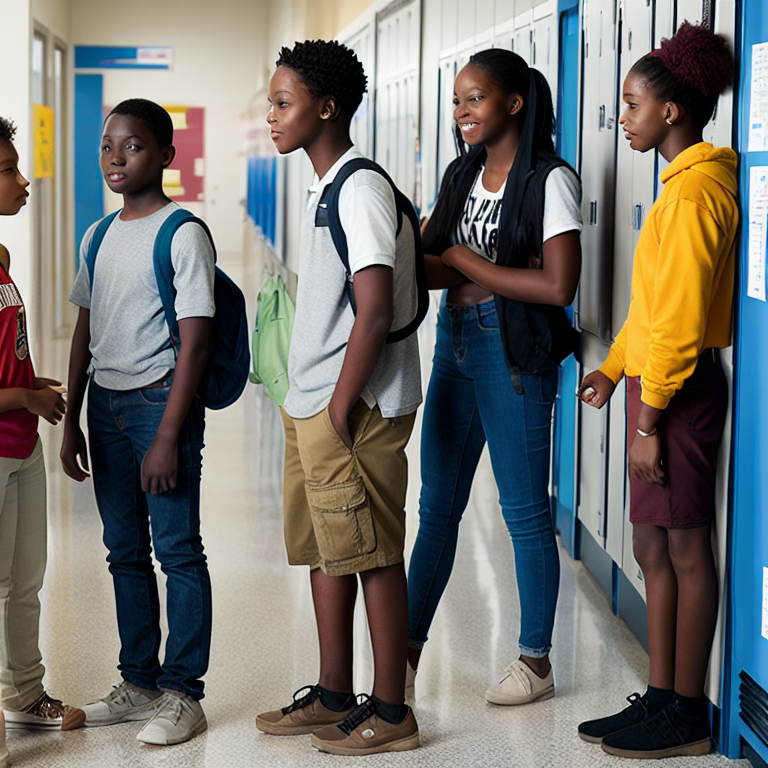
Have you ever seen someone being picked on at school or online and wondered what you should do? You’re not alone. Most bullying happens when other people are watching, but they don’t always know how to help. This is where bystanders come in – those who see bullying happen but aren’t directly involved. Your actions as a bystander can make a huge difference in stopping bullying and helping everyone feel safer.
When we talk about bullying prevention, many people think about the kids who bully others and those who get bullied. But research shows that bystanders – the people who watch what’s happening – play a crucial role too. In fact, when bystanders step in to help, bullying stops within 10 seconds more than half the time! That’s powerful stuff.
The truth is, standing by and doing nothing can actually make bullying worse. Bullies often keep going because they think no one cares or that everyone agrees with them. But when bystanders show they don’t like what’s happening, bullies often stop. Learning how to be an active bystander instead of a passive one is one of the most important skills we can teach young people today.
Understanding Different Types of Bystanders
Not all bystanders are the same. Some actively encourage the bullying by laughing or joining in. Others just watch without doing anything. Then there are those who want to help but don’t know how. Understanding these different types can help us figure out how to turn more people into helpful bystanders.
The worst type is the “reinforcing bystander” who cheers on the bullying or records it to share online. These people make the situation worse by giving the bully attention and approval. Then there are “passive bystanders” who see what’s happening but pretend they don’t notice. They might look away or walk past without saying anything.
The best kind of bystander is the “helpful bystander” who does something to stop the bullying. This could mean standing next to the person being bullied, telling the bully to stop, or getting help from an adult. Even small actions can make a big difference. For more on building community connections that help prevent bullying, check out our article on how volunteering builds stronger connections.
Why People Don’t Step In
Understanding why people stay silent is key to changing bystander behavior. Most people don’t intervene because they’re scared. They worry the bully might turn on them next, or that they’ll make things worse for the person being bullied. Some think it’s not their business or that someone else will handle it.
Fear is a big reason people don’t help. Nobody wants to get hurt or become the next target. Sometimes people worry that if they step in, the person being bullied will feel embarrassed or mad at them for drawing more attention. Others think adults should handle it, not kids.
Another reason is something called the “bystander effect.” This happens when everyone thinks someone else will take action, so nobody does anything. It’s like when you see trash on the ground – if everyone thinks someone else will pick it up, the trash just stays there. Learning to overcome this effect is crucial for creating safer schools and communities.
Simple Ways to Be a Helpful Bystander
You don’t have to be a hero to make a difference. Small actions can have big impacts. One of the easiest things you can do is show support to the person being bullied. This might mean sitting with them at lunch, walking with them between classes, or sending them a kind message afterward.
Speaking up directly can also work, but it needs to be done safely. This might mean saying something like “That’s not cool” or “Leave them alone” in a calm voice. The key is to not make the situation more dangerous for anyone involved. Sometimes just showing you don’t agree with what’s happening is enough to stop it.
Getting help from adults is another important option. This doesn’t mean you’re tattling – it means you’re being responsible. Teachers, counselors, and parents want to help keep everyone safe. If you’re worried about speaking up in the moment, you can always talk to an adult later about what you saw. Remember that using inclusive language matters in everyday conversations, which can help prevent bullying situations from escalating.
The Role of Technology and Social Media
Bullying doesn’t just happen in person anymore. A lot of it happens online through social media, texts, and gaming platforms. The good news is that bystanders can help stop cyberbullying too. In fact, online bystanders might have some advantages since they can often act without being seen.
When you see bullying online, you can report it to the platform, take screenshots as evidence, or send supportive messages to the person being targeted. Many social media sites have reporting tools that let you flag harmful content. Using these tools is an important way to be a helpful bystander in the digital world.
Some people create fake accounts or pretend to be someone else to bully others online. This makes it harder for bystanders to know what’s really happening. That’s why it’s important to think critically about what you see online and not jump to conclusions. If something seems wrong, it’s better to ask questions or get help than to ignore it.
Building a Culture of Upstanders
An “upstander” is someone who chooses to take positive action when they see something wrong, instead of being a passive bystander. Building a culture where more people act as upstanders can dramatically reduce bullying. This happens when schools, families, and communities make it clear that everyone has a responsibility to look out for each other.
One way to build this culture is through education. When people learn about the impact of bullying and the power of bystander intervention, they’re more likely to take action. Schools can hold workshops, create awareness campaigns, and reward positive bystander behavior. Families can talk about these issues at home and model helpful bystander behavior.
Creating clear expectations also helps. When everyone understands that bullying won’t be tolerated and that bystanders are expected to help, more people step up. This might include having clear reporting systems, support services for those affected by bullying, and consequences for those who bully others.
The Long-term Impact of Being an Upstander
Choosing to be a helpful bystander doesn’t just stop individual bullying incidents – it can change lives. When people know they have support, they’re more likely to speak up about other problems too. This creates a positive cycle where more and more people feel empowered to make their communities better.
Being an upstander also helps the person taking action. It builds confidence, leadership skills, and empathy. People who regularly stand up for others often become community leaders and advocates for positive change. They learn that their actions matter and that they have the power to make a difference.
The impact extends beyond just stopping bullying. When bystanders intervene, they send a message that cruelty and harassment aren’t acceptable. This can reduce other forms of mistreatment and create more inclusive environments. Over time, this leads to stronger, more connected communities where everyone feels valued and safe.
Teaching Bystander Intervention Skills
Learning how to be an effective bystander is a skill that can be taught and practiced. This includes understanding different intervention strategies, knowing when and how to act safely, and building the confidence to speak up. Schools and organizations can provide training that helps people feel prepared to handle bullying situations.
Role-playing exercises can be particularly helpful. By practicing different scenarios, people can learn what to say and do without the pressure of a real situation. This might include practicing calm responses, learning how to de-escalate conflicts, and understanding when to get help from adults.
It’s also important to teach about online safety and digital citizenship. This includes understanding how to recognize cyberbullying, knowing the reporting tools available on different platforms, and learning how to support others online. As more bullying moves to digital spaces, these skills become increasingly important.
Creating Safe Reporting Systems
For bystander intervention to work effectively, there need to be safe ways for people to report bullying. This means having multiple options that protect the identity of those who speak up. Anonymous reporting systems, trusted adults, and confidential hotlines can all play important roles.
Schools and organizations should make sure everyone knows how to report bullying and what will happen after a report is made. Clear procedures help people feel more comfortable coming forward. It’s also important to follow up on reports and let people know their concerns were taken seriously.
Building trust in these systems takes time. When people see that reports lead to positive changes and that those who speak up aren’t punished, more people will be willing to help. This creates a safer environment where bullying is less likely to occur in the first place.
The Connection Between Bullying and Other Social Issues
Bullying doesn’t happen in isolation – it’s connected to many other social problems. Understanding these connections can help us address bullying more effectively. For example, economic stress can sometimes lead to increased bullying, as families dealing with financial difficulties may have less emotional resources to support their children.
Similarly, social media and technology trends can influence bullying patterns. The rise of certain apps or online challenges can create new opportunities for harassment. Understanding these broader contexts helps communities develop more comprehensive prevention strategies.
Issues like discrimination, prejudice, and social inequality often underlie bullying behavior. When we work to address these root causes through education, policy changes, and community building, we can reduce bullying while also making progress on other important social issues. For more on how economic factors affect communities, read about why gig workers are feeling the pinch of economic uncertainty.
Supporting Those Who Have Been Bullied
When bystanders intervene successfully, they help stop the immediate bullying. But the person who was targeted may still need support to recover and feel safe again. This is where ongoing support systems become important. Friends, family, teachers, and counselors can all play roles in helping someone heal from bullying experiences.
Creating support groups or buddy systems can help people who have been bullied feel less alone. These connections can provide emotional support and practical help with things like navigating social situations or dealing with online harassment. Sometimes just knowing that others care and understand can make a huge difference.
It’s also important to address any trauma or emotional impact from bullying. This might mean connecting people with counseling services, teaching coping skills, or helping them rebuild confidence. The goal is to help everyone feel safe and valued in their community.
The Role of Adults in Supporting Bystanders
While much of the focus is on youth bystanders, adults play a crucial role too. Parents, teachers, coaches, and other adults can model helpful bystander behavior, create supportive environments, and provide the resources needed for effective intervention. They can also advocate for policies and programs that make bystander intervention easier and safer.
Adults can help by creating clear expectations about bullying prevention and intervention. This might include establishing school policies, providing training for staff and students, and ensuring there are consequences for bullying behavior. When adults take these issues seriously, it sends a powerful message to everyone in the community.
Supporting bystanders also means recognizing their courage and providing help when needed. Sometimes intervening in bullying situations can be stressful or scary. Adults should be available to debrief with bystanders, offer emotional support, and help them process what they experienced.
Building Resilient Communities
Ultimately, effective bullying prevention through bystander intervention is about building resilient communities where everyone feels responsible for each other’s well-being. This means creating environments where kindness is the norm, differences are celebrated, and people look out for one another.
Community resilience comes from strong connections between people. When we know our neighbors, participate in community activities, and have shared values, we’re more likely to intervene when we see something wrong. This creates a web of support that makes bullying less likely to occur and more likely to be stopped when it does happen.
Building these connections takes time and effort, but the results are worth it. Communities that prioritize kindness, inclusion, and mutual support create environments where everyone can thrive. They become places where bullying has no place to grow and where bystanders naturally become upstanders.
Frequently Asked Questions About Bystander Intervention
What should I do if I’m scared to intervene in a bullying situation?
It’s completely normal to feel scared. Your safety matters too. If you’re worried about getting involved directly, you can still help by getting support from an adult, checking on the person being bullied later, or reporting what you saw anonymously. There are many ways to be helpful without putting yourself at risk.
How can I tell if something is really bullying or just kids being kids?
Bullying involves repeated harmful behavior where there’s an imbalance of power. It’s not just a single argument or disagreement. Look for patterns of behavior where someone is consistently targeted, excluded, or made to feel unsafe. If you’re unsure, it’s better to err on the side of caution and get help from an adult.
What if the person being bullied gets mad at me for trying to help?
Sometimes people being bullied feel embarrassed or don’t want attention drawn to their situation. If this happens, you can explain that you were concerned about their safety and wanted to make sure they were okay. Even if they’re initially upset, most people appreciate knowing someone cares about them.
How can I encourage my friends to be helpful bystanders too?
Talk openly about why bystander intervention matters and share information about how effective it can be. Practice intervention strategies together, role-play different scenarios, and create group norms that support standing up for others. When you make helping others part of your friend group’s values, more people will be willing to act.
What should I do if I see cyberbullying happening?
Take screenshots as evidence, report the content to the platform, and consider reaching out to the person being targeted with support. You can also tell a trusted adult about what you’re seeing. Remember that online actions can have real-world consequences, so it’s important to take cyberbullying seriously.
Conclusion
The power of bystanders in preventing bullying cannot be overstated. When we choose to be active, helpful bystanders rather than passive observers, we create safer, kinder communities for everyone. Remember that even small actions can have big impacts – a kind word, a report to an adult, or showing support to someone being targeted can change someone’s entire day or even their life.
Learning to be an effective bystander is a skill that serves us well beyond just bullying prevention. It helps us become more aware, compassionate, and engaged community members. As we continue to face various social challenges, the ability to recognize problems and take positive action becomes increasingly important.
The next time you see bullying happening, remember that you have the power to make a difference. Whether you choose to intervene directly, get help from others, or support the person being targeted afterward, your actions matter. By working together to create cultures of upstanders rather than passive bystanders, we can build communities where everyone feels safe, valued, and supported.
For more information about creating positive change in your community, explore our articles on global education trends and how online learning is reshaping schools, or learn about the hidden costs of fast fashion on workers to understand how bystander awareness can extend to many areas of social responsibility.
Leave a Reply