Category: Global News

  • Why Renewable Energy is Becoming a Global Priority

    Why Renewable Energy is Becoming a Global Priority

    People around the world are talking about renewable energy more than ever before. Walk down any street in a major city, and you’ll hear conversations about solar panels, wind farms, and electric cars. This shift isn’t just a passing trend – it represents a fundamental change in how we power our lives.

    The urgency behind renewable energy comes from multiple directions. Climate change is no longer a distant threat but a present reality, with record-breaking temperatures, extreme weather events, and rising sea levels affecting communities globally. At the same time, traditional fossil fuels are becoming more expensive and politically complicated to obtain. Countries that once relied heavily on oil and gas imports are now looking for ways to produce their own clean energy.

    The economic benefits are equally compelling. Renewable energy technologies have become dramatically cheaper over the past decade. Solar panels that cost thousands of dollars a few years ago now cost a fraction of that, and wind turbines are producing electricity at record-low prices. This cost reduction has made renewable energy competitive with, and often cheaper than, traditional power sources.

    How Climate Change Drives the Renewable Energy Push

    The connection between fossil fuels and climate change is well-established. When we burn coal, oil, and natural gas, we release carbon dioxide into the atmosphere. This greenhouse gas traps heat, causing global temperatures to rise. The consequences are already visible: melting glaciers, more intense hurricanes, prolonged droughts, and shifting weather patterns that affect agriculture worldwide.

    Many countries have set ambitious targets to reduce their carbon emissions. The European Union aims to be carbon-neutral by 2050, while China has pledged to peak its emissions before 2030. These commitments require massive investments in renewable energy infrastructure. Solar farms, offshore wind turbines, and hydroelectric projects are being built at unprecedented scales.

    The transition isn’t just about environmental responsibility – it’s about survival. Small island nations face existential threats from rising sea levels. Agricultural communities worry about changing rainfall patterns that could destroy their livelihoods. Even wealthy nations recognize that the economic costs of climate change could far exceed the investments needed for renewable energy today.

    Economic Advantages of Renewable Energy

    Renewable energy isn’t just good for the planet – it’s becoming the smart financial choice. The levelized cost of electricity from solar and wind has fallen by about 70% and 89% respectively since 2010. This dramatic price drop means that in many parts of the world, building new renewable energy capacity is now cheaper than operating existing coal or natural gas plants.

    Job creation represents another major economic benefit. The renewable energy sector employed over 12 million people globally in 2022, according to the International Renewable Energy Agency. These jobs span installation, manufacturing, maintenance, and research. Unlike fossil fuel jobs that are concentrated in specific regions, renewable energy jobs can be distributed across rural and urban areas alike.

    Energy independence has become a national security priority for many countries. Nations that rely heavily on imported fossil fuels are vulnerable to price fluctuations and supply disruptions. By developing domestic renewable resources, countries can stabilize their energy costs and reduce dependence on foreign suppliers. This shift has geopolitical implications, potentially reducing conflicts over oil and gas resources.

    Technological Innovations Accelerating the Transition

    Solar technology has advanced far beyond the basic panels we see on rooftops. Perovskite solar cells promise higher efficiency at lower costs. Bifacial panels capture sunlight from both sides, increasing energy production. Building-integrated photovoltaics turn entire building surfaces into power generators. These innovations are making solar energy more versatile and accessible.

    Wind energy is also evolving rapidly. Offshore wind turbines are growing larger and more powerful, with some models capable of powering thousands of homes each. Floating wind farms can be deployed in deeper waters where winds are stronger and more consistent. Advanced materials and design improvements are making turbines more efficient and durable.

    Energy storage technologies are critical for renewable energy’s success. Batteries are becoming cheaper and more efficient, allowing excess solar and wind energy to be stored for use when the sun isn’t shining or wind isn’t blowing. Other storage solutions include pumped hydro, compressed air, and hydrogen fuel cells. These technologies solve the intermittency problem that once limited renewable energy’s potential.

    How Countries Are Leading the Way

    Some nations have embraced renewable energy more aggressively than others. Denmark generates about 50% of its electricity from wind power and aims to be carbon-neutral by 2050. Costa Rica has run on nearly 100% renewable electricity for multiple years, primarily through hydroelectric power complemented by wind and solar. Iceland uses its abundant geothermal resources to provide most of its heating and electricity.

    China has become the world’s largest producer of solar panels and wind turbines. The country installed more renewable energy capacity in 2022 than the rest of the world combined. This massive investment serves multiple purposes: reducing air pollution in Chinese cities, creating export industries, and positioning China as a leader in clean technology.

    Smaller nations are also making remarkable progress. How a Tiny Country Became a Renewable Energy Leader showcases how Uruguay transformed its energy sector, going from near-total dependence on imported oil to generating 98% of its electricity from renewable sources in just a decade. The country achieved this through a combination of wind, solar, biomass, and hydropower investments.

    The Role of Electric Vehicles in the Energy Transition

    Electric vehicles represent a crucial link between renewable energy and transportation. As more cars, buses, and trucks switch to electric power, the demand for clean electricity grows. This creates a virtuous cycle: more renewable energy makes electric vehicles cleaner, while the growth of electric vehicles drives demand for more renewable energy.

    Vehicle-to-grid technology takes this connection further. Electric cars can serve as mobile batteries, storing excess renewable energy during the day and feeding it back to the grid when demand is high. This capability helps balance the intermittent nature of solar and wind power while providing additional value to EV owners.

    The Rise of Electric Vehicles: What It Means for Global Markets explores how this transition is reshaping industries from automotive manufacturing to mining for battery materials. Countries that master electric vehicle production and renewable energy integration are positioning themselves for economic leadership in the coming decades.

    Challenges and Solutions in the Renewable Transition

    Despite the progress, significant challenges remain. Renewable energy infrastructure requires substantial upfront investment, even though operating costs are low. Many developing countries lack the capital to build large-scale solar or wind projects. International financing mechanisms and technology transfer programs are helping address this gap.

    Grid modernization presents another challenge. Traditional power grids were designed for centralized fossil fuel plants, not distributed renewable sources. Smart grid technologies, advanced sensors, and improved forecasting tools are making it possible to manage complex, decentralized energy systems. These upgrades are essential for renewable energy to reach its full potential.

    Energy justice concerns must also be addressed. The renewable transition shouldn’t leave vulnerable communities behind. Programs that provide affordable solar installations for low-income households, create local jobs in renewable energy projects, and ensure equitable access to clean energy benefits are crucial for a just transition.

    The Impact on Global Markets and Trade

    The renewable energy boom is reshaping global trade patterns. Countries that once imported vast quantities of fossil fuels are now becoming energy exporters through renewable technologies. Australia, blessed with abundant sunlight and wind, is developing massive solar and wind projects to produce green hydrogen for export to Asian markets.

    Manufacturing supply chains are also evolving. The production of solar panels, wind turbines, and batteries requires specific raw materials like lithium, cobalt, and rare earth elements. This has created new trade relationships and geopolitical considerations. Nations rich in these resources have new economic opportunities, while concerns about supply chain security are driving investments in domestic production.

    Energy price volatility affects all sectors of the economy. How Rising Fuel Prices Impact Small Business Shipping Costs demonstrates how transportation costs directly impact everything from food prices to online shopping. As renewable energy reduces dependence on volatile fossil fuel markets, businesses can better predict and control their energy costs.

    The Future of Renewable Energy

    Looking ahead, several trends will shape renewable energy’s future. Artificial intelligence and machine learning are improving energy forecasting, grid management, and system optimization. Digital twins – virtual models of physical energy systems – allow operators to test scenarios and optimize performance before making real-world changes.

    Green hydrogen represents an exciting frontier. Produced using renewable electricity to split water molecules, hydrogen can store energy for long periods and power sectors that are difficult to electrify, like heavy industry and long-distance shipping. Several countries are investing heavily in hydrogen infrastructure as part of their renewable energy strategies.

    Community-based renewable projects are gaining popularity. From neighborhood solar gardens to municipal wind farms, these initiatives allow local communities to own and benefit from clean energy projects. This democratization of energy production builds public support for renewable energy while keeping economic benefits local.

    Frequently Asked Questions (FAQ)

    What is renewable energy and why is it important?

    Renewable energy comes from natural sources that replenish themselves, such as sunlight, wind, rain, tides, and geothermal heat. It’s important because it produces little to no greenhouse gas emissions, reduces air pollution, creates jobs, and provides energy security by reducing dependence on imported fuels.

    How much does renewable energy cost compared to fossil fuels?

    The cost of renewable energy has fallen dramatically and is now often cheaper than fossil fuels. Solar and wind power frequently offer the lowest cost electricity in many markets. While upfront installation costs exist, the operating costs are minimal since fuel (sunlight and wind) is free.

    Can renewable energy power the entire world?

    Yes, renewable energy has the potential to power the entire world. Studies show that solar and wind resources alone could meet global electricity demand many times over. The main challenges are storage, grid modernization, and the political will to make the transition, rather than technical limitations.

    How do renewable energy jobs compare to fossil fuel jobs?

    Renewable energy already employs more people globally than the fossil fuel industry. These jobs tend to be more distributed geographically and often require different skills. The renewable sector includes manufacturing, installation, maintenance, and research positions that are growing as the industry expands.

    What can individuals do to support renewable energy?

    Individuals can support renewable energy by installing solar panels if possible, choosing renewable electricity options from their utility, purchasing electric vehicles, improving home energy efficiency, and advocating for renewable energy policies. Even small actions collectively make a significant impact.

    Conclusion

    The global shift toward renewable energy represents one of the most significant transformations in human history. What began as a response to environmental concerns has evolved into an economic and technological revolution that’s reshaping how we power our world. The combination of falling costs, technological innovation, and growing climate awareness has created unstoppable momentum.

    Countries, companies, and communities worldwide are discovering that renewable energy isn’t just about protecting the environment – it’s about building more resilient, prosperous, and equitable societies. From the massive solar farms in China to the community wind projects in Denmark, from the electric vehicle revolution to the emerging hydrogen economy, the pieces of a clean energy future are falling into place.

    The transition won’t happen overnight, and challenges remain. But the direction is clear, and the benefits are increasingly evident. As renewable energy becomes the default choice rather than the alternative, we’re not just changing how we power our lives – we’re creating a more sustainable and hopeful future for generations to come.

  • AI Revolution in Healthcare: How Smart Technology is Saving Lives Worldwide

    You might not realize it, but artificial intelligence is already working behind the scenes in hospitals and clinics around the world. From helping doctors spot diseases earlier to predicting which patients need urgent care, AI is transforming healthcare in ways that are saving countless lives.

    The numbers tell an incredible story. AI-powered diagnostic tools can detect certain cancers with accuracy rates over 90%, sometimes even better than human specialists. In emergency rooms, AI systems can predict patient deterioration hours before traditional methods would catch it. These aren’t futuristic concepts – they’re happening right now in healthcare facilities across the globe.

    What makes this revolution so powerful is how AI enhances what doctors and nurses already do best. Rather than replacing human caregivers, these smart systems act as super-powered assistants, processing vast amounts of medical data in seconds to provide insights that would take humans much longer to discover. This means doctors can focus more on patient care while AI handles the heavy data lifting.

    The impact reaches far beyond wealthy nations. In developing countries where there’s a shortage of specialists, AI diagnostic tools are bringing expert-level analysis to remote areas. A small clinic in rural Africa can now access the same diagnostic capabilities as a major hospital in New York, leveling the playing field in global healthcare.

    How AI is Transforming Medical Diagnosis

    One of the most significant ways AI is changing healthcare is through medical imaging. AI algorithms can now examine X-rays, MRIs, and CT scans with remarkable precision. These systems are trained on millions of images, allowing them to spot subtle patterns that human eyes might miss.

    For example, AI can detect early signs of breast cancer in mammograms up to two years before tumors become visible to radiologists. In ophthalmology, AI systems can identify diabetic retinopathy – a condition that can cause blindness – with accuracy rates exceeding 95%. This early detection capability is literally saving sight for thousands of patients worldwide.

    The technology isn’t perfect, but it’s getting better every day. When used alongside human expertise, AI diagnostic tools are reducing errors and catching diseases at stages when they’re most treatable. Many hospitals now use AI as a second opinion, flagging potential issues for doctors to review more carefully.

    AI in Drug Discovery and Development

    Developing new medications traditionally takes 10-15 years and billions of dollars. AI is dramatically accelerating this process by predicting which drug compounds are most likely to be effective against specific diseases. Instead of testing thousands of possibilities in the lab, researchers can use AI to narrow down the most promising candidates.

    During the COVID-19 pandemic, AI played a crucial role in vaccine development. Machine learning algorithms analyzed the virus’s genetic structure and predicted which vaccine designs would generate the strongest immune responses. This computational approach helped researchers develop effective vaccines in record time – something that would have been impossible just a few years earlier.

    Beyond vaccines, AI is helping scientists discover new uses for existing drugs. By analyzing vast databases of medical research and patient records, AI can identify unexpected connections between medications and diseases. This “drug repurposing” approach has already led to new treatments for conditions like Alzheimer’s and rare genetic disorders.

    Personalized Medicine Gets a Boost from AI

    Every patient is unique, but traditional medicine often takes a one-size-fits-all approach. AI is changing this by enabling truly personalized treatment plans based on an individual’s genetic makeup, medical history, lifestyle, and even their specific tumor characteristics.

    For cancer patients, AI can analyze a tumor’s genetic profile and recommend the most effective treatment combination. Some systems can even predict how a patient will respond to different therapies, helping doctors choose the option with the highest chance of success. This precision medicine approach is particularly important for rare cancers where standard treatments may not work well.

    AI is also helping with medication dosing. By considering factors like a patient’s age, weight, kidney function, and other medications, AI systems can recommend optimal drug dosages that minimize side effects while maximizing effectiveness. This is especially valuable for medications with narrow safety margins, like blood thinners or chemotherapy drugs.

    The Rise of Virtual Health Assistants

    Have you ever used a symptom checker online? That’s a basic form of AI in healthcare. Today’s virtual health assistants are much more sophisticated, capable of conducting preliminary assessments, answering medical questions, and even providing mental health support.

    These AI-powered chatbots are available 24/7, providing immediate assistance when patients have concerns outside of office hours. They can help determine whether symptoms warrant an emergency room visit or if home care is appropriate. This not only provides peace of mind to patients but also helps reduce unnecessary emergency room visits.

    Some virtual assistants go beyond simple symptom checking. They can remind patients to take medications, monitor chronic conditions through connected devices, and provide personalized health education. For people managing diabetes, heart disease, or other chronic conditions, these AI companions can be invaluable partners in maintaining their health.

    AI in Surgery: The Rise of Robotic Assistance

    Robot-assisted surgery isn’t new, but AI is making these systems smarter and more capable. Modern surgical robots use AI to enhance a surgeon’s precision, providing real-time guidance and even making micro-adjustments during procedures.

    For delicate operations like eye surgery or spinal procedures, AI-powered robots can achieve levels of steadiness and accuracy that exceed human capabilities. These systems can filter out a surgeon’s natural hand tremors and make movements as small as 1/10,000 of an inch – far beyond what human hands can manage.

    The benefits extend beyond the operating room. AI systems can analyze surgical videos to identify best practices, help train new surgeons, and even predict potential complications before they occur. Some hospitals use AI to optimize surgical scheduling, ensuring that operating rooms are used efficiently and patients experience minimal wait times.

    Mental Health Support Through AI

    Mental health care faces unique challenges, including stigma, therapist shortages, and the need for immediate support during crises. AI is helping bridge these gaps through various applications, from chatbots that provide cognitive behavioral therapy to systems that can detect signs of depression in social media posts.

    AI-powered mental health apps offer therapy techniques, mood tracking, and coping strategies to users anytime, anywhere. While these tools don’t replace human therapists, they can provide valuable support between sessions or for people who can’t access traditional therapy due to cost, location, or scheduling conflicts.

    Some AI systems analyze speech patterns, typing behavior, and even facial expressions to detect early signs of mental health issues. By identifying changes that might indicate depression, anxiety, or other conditions, these tools can prompt users to seek help before problems become severe. This proactive approach could revolutionize how we prevent and treat mental health conditions.

    Breaking Down Language and Access Barriers

    In our increasingly connected world, patients and doctors often speak different languages. AI-powered translation tools are breaking down these communication barriers, allowing accurate medical conversations between providers and patients regardless of their native languages.

    These AI translation systems don’t just convert words – they understand medical terminology and context, ensuring that nothing gets lost in translation. This is particularly important for explaining complex diagnoses, treatment options, and medication instructions. Some hospitals now use real-time AI translation during telemedicine consultations, making specialized care accessible to non-English speakers anywhere in the world.

    AI is also democratizing access to medical expertise. Through telemedicine platforms powered by AI, patients in remote areas can consult with specialists hundreds of miles away. The AI systems help manage these virtual visits, ensuring that all necessary information is collected and that the consultation runs smoothly.

    Ethical Considerations and Challenges

    As AI becomes more integrated into healthcare, important ethical questions arise. Who is responsible when an AI system makes a mistake? How do we ensure that AI algorithms aren’t biased against certain populations? What happens to patient privacy when sensitive medical data is processed by AI systems?

    These aren’t just theoretical concerns. Studies have shown that some AI diagnostic tools perform differently across racial and ethnic groups, potentially due to biases in their training data. Healthcare systems must carefully audit their AI tools to ensure they provide equitable care to all patients.

    Data privacy is another major concern. AI systems require vast amounts of patient data to function effectively, raising questions about how this information is stored, shared, and protected. Healthcare providers must navigate complex regulations like HIPAA while still leveraging the benefits of AI technology.

    The Future of AI in Global Healthcare

    Looking ahead, AI’s role in healthcare will only grow larger. Researchers are developing AI systems that can predict disease outbreaks before they occur, analyze population health trends to guide public health policies, and even design personalized wellness plans based on an individual’s genetic profile and lifestyle.

    One exciting frontier is AI-powered preventive care. Instead of waiting for people to get sick, future AI systems might identify health risks years in advance and recommend lifestyle changes or preventive treatments. This shift from reactive to proactive care could dramatically improve global health outcomes while reducing healthcare costs.

    The integration of AI with wearable devices and Internet of Things (IoT) technology will also accelerate. Smart watches and fitness trackers already collect valuable health data, and AI systems are learning to interpret this information to detect early signs of health problems. In the near future, your smartwatch might alert you to an irregular heartbeat or detect early signs of infection before you feel symptoms.

    Frequently Asked Questions (FAQ)

    What exactly is AI in healthcare?

    AI in healthcare refers to computer systems that can perform tasks typically requiring human intelligence, such as analyzing medical images, predicting patient outcomes, or personalizing treatment plans. These systems use machine learning algorithms trained on vast amounts of medical data to assist healthcare providers in making better decisions.

    Is AI replacing doctors and nurses?

    No, AI is designed to augment and assist healthcare professionals, not replace them. While AI excels at data analysis and pattern recognition, it cannot replicate the human qualities essential to healthcare – empathy, ethical judgment, and the ability to understand a patient’s full context. Most healthcare AI tools are used as decision support systems that help providers make more informed choices.

    How accurate are AI diagnostic tools?

    The accuracy of AI diagnostic tools varies by application, but many achieve accuracy rates comparable to or exceeding human specialists. For example, some AI systems for detecting diabetic retinopathy achieve accuracy rates over 95%. However, these tools are typically used in conjunction with human expertise rather than as standalone diagnostic tools.

    Is my medical data safe when used by AI systems?

    Healthcare organizations must comply with strict privacy regulations like HIPAA in the United States. AI systems used in healthcare are designed with security measures to protect patient data. However, patients should always ask their healthcare providers about how their data is being used and protected. Many AI systems use anonymized data to protect individual privacy.

    How much does AI healthcare technology cost?

    The cost of AI healthcare technology varies widely depending on the application. Some AI tools are quite expensive, while others are becoming increasingly affordable. Interestingly, many AI applications actually reduce overall healthcare costs by improving efficiency, reducing errors, and enabling earlier intervention. As the technology matures, costs are generally trending downward.

    Conclusion

    The integration of AI into global healthcare systems represents one of the most promising technological advances of our time. From early disease detection to personalized treatment plans, from breaking down language barriers to making expert care accessible in remote areas, AI is transforming healthcare in ways that benefit both patients and providers.

    While challenges around ethics, privacy, and equity must be carefully addressed, the potential benefits are enormous. As AI technology continues to evolve, we can expect even more innovative applications that will further improve health outcomes, reduce costs, and make quality healthcare accessible to more people around the world.

    The future of healthcare isn’t about choosing between human caregivers and artificial intelligence – it’s about the powerful combination of both. By leveraging the unique strengths of each, we’re entering an era where healthcare is more accurate, more personalized, and more accessible than ever before. The AI revolution in healthcare is just beginning, and its impact will be felt by billions of people in the years to come.

  • Global Education Trends: How Online Learning is Reshaping Schools

    Global Education Trends: How Online Learning is Reshaping Schools

    When schools closed during the pandemic, something unexpected happened. Teachers and students discovered that learning could happen anywhere, anytime, through screens and devices. This wasn’t just a temporary fix—it turned out to be the beginning of a massive shift in how education works around the world.

    Online learning has grown from a backup plan into a powerful tool that’s changing schools everywhere. Students in rural villages can now take classes from top universities. Teachers can reach hundreds of students across different time zones. Parents can track their children’s progress in real time. The classroom walls have come down, and learning has become borderless.

    This transformation is happening faster than many people expected. What started as emergency remote learning has evolved into sophisticated online education systems that blend the best of traditional teaching with digital innovation. Let’s explore how online learning is reshaping schools and what this means for students, teachers, and families everywhere.

    The Digital Classroom Revolution

    The shift to online learning didn’t happen overnight, but it accelerated rapidly when schools needed alternatives. Today’s digital classrooms are nothing like the simple video calls many experienced during lockdowns. Modern online learning platforms offer interactive whiteboards, breakout rooms for group work, instant quizzes, and even virtual reality experiences.

    Teachers have learned to create engaging digital content that keeps students focused. They use polls, games, and multimedia presentations to make lessons more interactive. Students can pause, rewind, and review material as needed, which helps different learning styles. The technology has become so advanced that many students don’t even realize they’re learning online—it feels natural and intuitive.

    Schools have invested heavily in learning management systems that organize everything in one place. Students can access assignments, submit work, communicate with teachers, and track their progress all through a single platform. This organization reduces confusion and helps everyone stay on the same page, whether they’re in the classroom or halfway around the world.

    Breaking Down Geographic Barriers

    One of the most exciting aspects of online learning is how it connects students across the globe. A student in Kenya can now take an advanced math course taught by a professor in California. A teenager in rural India can learn coding from experts in Silicon Valley. This global access to education was impossible just a few years ago.

    International collaboration has become much easier. Students work on projects with peers from different countries, learning about different cultures while developing teamwork skills. Virtual exchange programs let students experience classrooms in other nations without leaving home. This exposure to diverse perspectives prepares students for our interconnected world.

    The economic impact is significant too. Families in expensive cities no longer need to pay premium prices for quality education. Students in developing countries can access world-class resources without expensive travel or relocation. This democratization of education is creating opportunities for millions who previously faced geographic limitations.

    Personalized Learning at Scale

    Online learning excels at personalization in ways traditional classrooms struggle to match. Adaptive learning software adjusts difficulty based on student performance, providing extra help when needed or accelerating when students excel. This means no student gets left behind or held back by the pace of the entire class.

    Data analytics give teachers unprecedented insights into student progress. They can see exactly where each student struggles and provide targeted support. Automated grading frees up teachers’ time for more meaningful interactions. Students receive immediate feedback instead of waiting days for papers to be returned.

    The flexibility benefits different types of learners. Visual learners can watch videos repeatedly. Auditory learners can listen to recorded lectures. Hands-on learners can access interactive simulations. Students with disabilities can use assistive technologies that make learning more accessible. Everyone gets support tailored to their needs.

    The Rise of Hybrid Learning Models

    Most schools aren’t choosing between online and in-person learning anymore. They’re combining both into hybrid models that offer the best of both worlds. Students might attend physical classes for hands-on activities while completing independent work online. This flexibility helps schools manage space constraints and gives students more control over their learning.

    Hybrid models also prepare students for the future workplace, where remote collaboration is increasingly common. Students learn to manage their time, communicate effectively online, and take responsibility for their learning. These are valuable life skills that go beyond academic content.

    Schools are redesigning physical spaces to support hybrid learning. Libraries become collaboration hubs. Classrooms get equipped with technology for seamless switching between in-person and online participants. This investment in infrastructure shows that online learning is here to stay as a core part of education.

    Teacher Training and Professional Development

    The rapid shift to online learning revealed a critical need: teachers need proper training to use digital tools effectively. Many educators had to learn new skills quickly, often without adequate support. This experience highlighted the importance of ongoing professional development in educational technology.

    Teacher training programs now include courses on online instruction, digital assessment, and virtual classroom management. Experienced online educators share best practices through professional learning communities. Schools provide technical support and resources to help teachers integrate technology smoothly.

    The focus has shifted from just using technology to using it effectively. Teachers learn to create engaging online content, build digital communities, and maintain student motivation in virtual environments. This professional growth benefits all students, whether they learn online or in traditional classrooms.

    Economic Implications for Education

    The economics of education are changing dramatically with online learning. Schools save money on facilities, transportation, and physical materials. These savings can be reinvested in technology, teacher training, or student support services. Some schools are exploring subscription models where families pay for access to online courses rather than traditional tuition.

    New business models are emerging. Companies offer individual courses, micro-credentials, and specialized programs that compete with traditional degrees. This competition drives innovation and gives students more choices. However, it also raises questions about quality control and accreditation.

    The cost of education may decrease for many families, but access to technology remains a barrier. Schools and governments are working to provide devices and internet access to ensure all students can participate in online learning. This digital divide is a critical challenge that needs addressing.

    Student Mental Health and Online Learning

    Online learning affects student mental health in complex ways. Some students thrive with the flexibility and reduced social pressure. Others struggle with isolation, screen fatigue, and the lack of face-to-face interaction. Schools are learning to support student wellbeing in digital environments.

    Virtual counseling services, online support groups, and digital wellness programs are becoming common. Teachers receive training on recognizing signs of distress in online settings. Schools create schedules that balance screen time with offline activities and physical movement.

    The social aspect of learning remains crucial. Schools organize virtual social events, online clubs, and digital community-building activities. They recognize that education isn’t just about academics—it’s about human connection and development.

    The Future of Assessment and Credentials

    Online learning is changing how we measure and recognize achievement. Traditional exams are being replaced by continuous assessment, project-based learning, and digital portfolios. Students demonstrate their knowledge through presentations, videos, and interactive projects rather than just written tests.

    Micro-credentials and digital badges are gaining popularity. Students can earn certificates for specific skills that employers value. These credentials are verifiable and portable, making them useful for career advancement. The traditional four-year degree is no longer the only path to success.

    Artificial intelligence is being used to provide sophisticated assessment and feedback. AI can analyze student work, identify patterns, and suggest improvements. This technology helps teachers provide more personalized feedback while reducing their workload.

    Global Policy and Educational Standards

    Countries are developing policies to regulate and support online learning. Some nations have created national online learning platforms. Others have established standards for online course quality and teacher certification. International organizations are working to ensure online education meets global standards.

    The challenge is balancing innovation with quality control. Too much regulation can stifle creativity and limit access. Too little can result in low-quality programs that harm students. Finding the right approach requires collaboration between educators, policymakers, and technology experts.

    Data privacy and security are major concerns. Schools must protect student information while using data to improve learning outcomes. Clear policies and robust security measures are essential as online learning becomes more widespread.

    Technology Infrastructure and Access

    The success of online learning depends on reliable technology infrastructure. Schools need high-speed internet, modern devices, and technical support. Many regions still lack this basic infrastructure, creating inequalities in access to online education.

    Governments and private companies are investing in expanding internet access to underserved areas. Mobile learning solutions help students in regions with limited connectivity. Offline capabilities allow students to download materials and work without constant internet access.

    The cost of technology is decreasing, making devices more affordable. Open educational resources provide free learning materials. These developments help reduce barriers to online learning, though challenges remain in many parts of the world.

    Parent and Family Involvement

    Online learning has changed the relationship between schools and families. Parents can more easily monitor their children’s progress and communicate with teachers. This increased involvement can support student success but also creates new challenges.

    Schools provide resources and training to help parents support online learning. They recognize that not all parents have the time, skills, or resources to be heavily involved. The goal is to create partnerships that benefit students without overwhelming families.

    Family dynamics around education are shifting. Siblings might help each other with online classes. Grandparents might participate in virtual story times. The home becomes an extension of the school, creating new opportunities for learning and connection.

    Environmental Impact

    Online learning has environmental benefits compared to traditional education. Reduced commuting decreases carbon emissions. Digital materials save trees and reduce waste. Schools can operate with smaller physical footprints, preserving land and resources.

    However, online learning also has environmental costs. Energy consumption for data centers and devices is significant. Electronic waste from outdated equipment is a growing concern. The net environmental impact depends on how online learning is implemented and managed.

    Schools are exploring ways to maximize the environmental benefits while minimizing the costs. This includes using renewable energy for data centers, promoting device recycling, and teaching students about sustainable technology use.

    Cultural Shifts in Education

    Online learning is changing cultural attitudes about education. The idea that learning only happens in classrooms between certain ages is becoming outdated. People are embracing lifelong learning and recognizing multiple paths to knowledge and skills.

    Different cultures are adapting online learning in unique ways. Some emphasize individual achievement and competition. Others focus on community and collaboration. These cultural differences create diverse approaches to online education that enrich the global learning ecosystem.

    The global nature of online learning promotes cultural exchange and understanding. Students learn to work with people from different backgrounds and perspectives. This prepares them for an increasingly diverse and interconnected world.

    Economic Opportunities and Challenges

    Online learning creates new economic opportunities for educators, entrepreneurs, and students. Teachers can reach global audiences and earn additional income. Educational technology companies create jobs and drive innovation. Students gain skills that lead to better career prospects.

    However, economic challenges exist too. The cost of technology and internet access can be prohibitive for some families. The quality of online programs varies widely, making it hard for students to choose wisely. The traditional education system, with its established credentials and networks, still holds significant advantages.

    The economic impact extends beyond education. Online learning affects real estate (less need for classroom space), transportation (reduced commuting), and publishing (digital vs. physical materials). These ripple effects are reshaping entire industries.

    Looking Ahead: The Next Decade of Online Learning

    The next ten years will bring even more dramatic changes to online learning. Artificial intelligence will provide increasingly sophisticated personalization and support. Virtual and augmented reality will create immersive learning experiences. Blockchain technology may revolutionize how we verify and share credentials.

    The line between online and offline learning will continue to blur. Hybrid models will become the norm rather than the exception. Education will become more flexible, accessible, and tailored to individual needs and goals.

    The challenge will be ensuring that these advances benefit everyone, not just those with resources and connections. Addressing the digital divide, maintaining quality standards, and supporting the human aspects of learning will be crucial as online education continues to evolve.

    Frequently Asked Questions (FAQ)

    What are the main benefits of online learning compared to traditional classroom education?

    Online learning offers several key advantages. Students can learn at their own pace, accessing materials whenever they need them. This flexibility helps different learning styles and schedules. Online platforms provide immediate feedback and adaptive content that adjusts to student performance. Geographic barriers disappear, allowing access to top educators and resources regardless of location. Students also develop valuable digital skills and self-directed learning habits that prepare them for modern workplaces.

    How can schools ensure quality in online education programs?

    Quality online education requires several elements working together. First, courses need clear learning objectives and rigorous content developed by qualified educators. Interactive elements like discussions, projects, and assessments keep students engaged. Regular feedback and support from instructors help students stay on track. Technical infrastructure must be reliable and user-friendly. Finally, accreditation and quality standards specific to online learning help ensure programs meet educational goals. Many schools use external reviews and student feedback to continuously improve their online offerings.

    What challenges do students face with online learning and how can they be addressed?

    Students commonly struggle with motivation, time management, and technical issues in online learning. The lack of face-to-face interaction can feel isolating. To address these challenges, schools provide structured schedules, regular check-ins with teachers, and opportunities for peer interaction through discussion forums and group projects. Technical support helps with device and connectivity issues. Building online learning skills through orientation programs prepares students for success. Creating a dedicated study space at home and establishing routines also helps students adapt to online learning environments.

    How is online learning affecting the role of teachers?

    Teachers’ roles are evolving significantly with online learning. They become facilitators and mentors rather than just information providers. Teachers need new skills in digital content creation, online classroom management, and data analysis to track student progress. They spend more time providing individual feedback and support. The focus shifts to creating engaging online experiences and building digital learning communities. While some routine tasks are automated, teachers’ expertise in pedagogy and student support becomes even more valuable. Professional development in educational technology is essential for teachers to succeed in online environments.

    What does the future hold for the integration of online and traditional learning?

    The future points toward seamless integration of online and traditional learning, often called blended or hybrid learning. Physical classrooms will be redesigned to support both in-person and online participants. Artificial intelligence will provide personalized learning paths that combine various delivery methods. Credentials will become more modular, allowing students to mix and match courses from different providers. Virtual and augmented reality will create immersive learning experiences that blend physical and digital elements. The key will be using technology to enhance, not replace, the human connections and hands-on experiences that make learning effective.

    Conclusion

    Online learning has moved from a temporary solution to a permanent transformation of education. It’s breaking down barriers, personalizing learning, and creating opportunities that were impossible just a few years ago. The classroom is no longer confined to four walls—it’s everywhere, accessible to anyone with an internet connection.

    This transformation brings both exciting possibilities and significant challenges. We must ensure that quality education remains accessible to all, not just those with resources and technology. We need to support teachers as they adapt to new roles and develop new skills. We must address the social and emotional aspects of learning that happen naturally in physical classrooms.

    The future of education isn’t about choosing between online and traditional learning. It’s about finding the right blend that serves each student’s needs and prepares them for a world where digital skills and global connections are essential. As online learning continues to evolve, it promises to make education more flexible, accessible, and effective for students everywhere.

    The changes we’re seeing now are just the beginning. As technology advances and our understanding of effective online learning grows, we can expect even more innovative approaches to education. The key is to embrace these changes while keeping our focus on what matters most: helping every student reach their full potential, wherever they are in the world.

  • How Space Exploration is Changing International Relations

    How Space Exploration is Changing International Relations

    Space exploration used to be about competition between countries trying to be first. Today, it’s becoming something completely different. Countries that once competed fiercely are now working together to explore space, share resources, and solve problems that affect everyone on Earth. This shift from competition to cooperation is changing how nations interact with each other in ways that reach far beyond space itself.

    When astronauts from different countries live and work together on the International Space Station, they build relationships that last long after their missions end. These personal connections between scientists and engineers from different nations create trust and understanding that can help solve problems back on Earth. Space exploration is creating a new kind of diplomacy where countries work together toward common goals instead of competing against each other.

    The way space exploration brings countries together reminds us of how rising rent costs are changing where people live. Just as people are finding new ways to share housing and resources on Earth, nations are discovering new ways to share the costs and benefits of exploring space. Both situations show how challenges can push us to find more collaborative solutions.

    CONTENT START ###

    Section 1: The International Space Station – A Model for Cooperation

    The International Space Station represents one of the most successful examples of international cooperation in history. Five space agencies from the United States, Russia, Japan, Canada, and Europe work together to operate this orbiting laboratory. Each country contributes different parts, technology, and expertise to make the station work. This partnership has lasted for more than two decades, surviving political tensions that have occurred on Earth.

    The station requires constant coordination between all partner nations. When something breaks, astronauts from any country can work on repairs. When new experiments are needed, scientists from around the world can submit proposals. The station has hosted over 240 people from 19 different countries, creating a unique community in space where national boundaries disappear.

    This cooperation extends beyond just the station itself. The knowledge and technology developed through this partnership have led to advances in medicine, environmental science, and materials engineering that benefit people worldwide. The relationships formed between space agencies have created communication channels that remain open even when diplomatic relations between countries become strained.

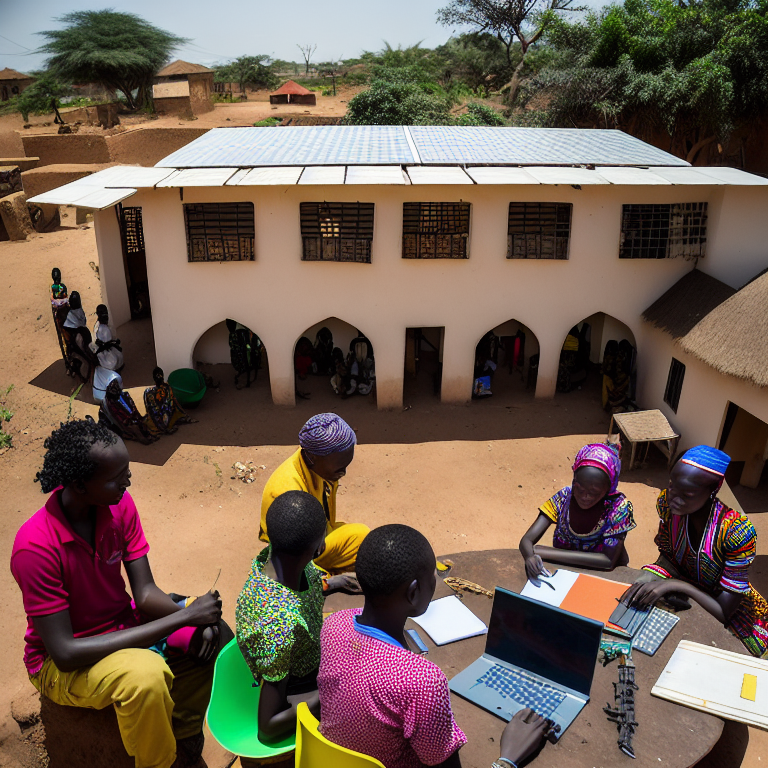
    The success of the International Space Station shows how shared goals can bring people together across political and cultural differences. Just as this tiny village in Africa became a tech success story through community cooperation, space agencies are proving that working together produces better results than working alone.

    Section 2: New Space Agencies and Emerging Partnerships

    Space exploration is no longer dominated by just a few powerful countries. Nations across Africa, South America, and Asia are developing their own space programs and seeking partnerships with established spacefaring nations. Countries like the United Arab Emirates, India, and the United Arab Emirates have launched successful missions to Mars and the Moon, joining the ranks of traditional space powers.

    These new space agencies often partner with multiple countries rather than aligning with just one. For example, the UAE’s Mars mission included partnerships with universities and space agencies from the United States, while also building its own capabilities. This approach creates a more diverse and resilient space exploration community where knowledge flows in many directions.

    The rise of these new space powers is changing the traditional power dynamics in international relations. Countries that were once considered developing nations are now contributing valuable technology and expertise to global space efforts. This shift gives them more influence in international discussions about space policy, resource allocation, and the peaceful use of space.

    These emerging partnerships remind us of how universal basic income is creating unexpected benefits in communities around the world. Just as UBI provides people with new opportunities and connections, space exploration is giving developing nations new ways to participate in global scientific advancement and economic development.

    Section 3: Commercial Space Companies Creating New Alliances

    Private companies like SpaceX, Blue Origin, and Rocket Lab are changing how space exploration happens. These companies work with multiple countries simultaneously, creating new types of international relationships that don’t depend on traditional government-to-government diplomacy. A single company might launch satellites for governments, provide transportation to the space station, and sell rocket launches to companies in different countries.

    This commercial approach makes space more accessible to smaller nations that cannot afford to develop their own launch capabilities. Countries can now buy seats on commercial spacecraft or launch their satellites on private rockets, opening up opportunities that were previously available only to major space powers. This democratization of space access is creating new economic and diplomatic relationships.

    The involvement of private companies also adds flexibility to international space cooperation. When government relationships become strained, commercial partnerships can continue operating. This creates stability in space cooperation that can help maintain overall international relations even during periods of political tension on Earth.

    The way commercial space companies are changing international relationships is similar to how inflation is quietly changing grocery shopping habits. Just as inflation forces consumers to find new ways to get food and manage budgets, commercial space companies are forcing nations to find new ways to access space and manage their space programs.

    Section 4: Space Resources and Economic Cooperation

    The potential to mine asteroids for valuable minerals or extract water from the Moon’s poles is creating new economic interests in space. Countries are beginning to discuss how to share these resources fairly and prevent conflicts over extraterrestrial mining rights. The Artemis Accords, signed by multiple nations, establish principles for responsible exploration and use of space resources.

    These discussions about space resources are bringing together countries that might not otherwise cooperate. Nations with different political systems and economic interests are finding common ground in establishing rules for space mining and resource extraction. This cooperation on future economic opportunities is building relationships that could benefit other areas of international relations.

    The economic potential of space resources is also attracting investment from countries that want to be part of the space economy. This creates incentives for nations to maintain peaceful relationships and open trade policies, as space cooperation often requires the free flow of technology, expertise, and materials between countries.

    The way countries are learning to share space resources mirrors how supply chain delays are affecting toy prices this holiday season. Just as toy manufacturers and retailers are finding new ways to work together to manage inventory and meet demand, spacefaring nations are discovering how to coordinate their efforts to make the most of limited space resources.

    Section 5: Space Technology for Global Challenges

    Space technology developed for exploration is being used to address global challenges like climate change, disaster response, and disease tracking. Satellites monitor Earth’s climate, track deforestation, and help predict natural disasters. This shared use of space technology creates dependencies between countries that encourage continued cooperation.

    When a hurricane approaches the Caribbean, satellites from multiple countries provide data that helps with evacuation planning and emergency response. When wildfires rage in Australia or California, international satellite networks help track the spread and coordinate firefighting efforts. This practical cooperation on shared challenges builds trust and demonstrates the value of international collaboration.

    The data from space-based Earth observation systems is often shared freely between countries, creating a foundation of trust that can extend to other areas of cooperation. Countries that might disagree on political issues can still work together to monitor environmental changes or respond to natural disasters, maintaining positive relationships despite other tensions.

    This use of space technology for global challenges is similar to how gig workers are feeling the pinch of economic uncertainty. Just as gig workers across different countries face similar challenges and can learn from each other’s solutions, nations facing global challenges like climate change are discovering that they need each other’s help and expertise.

    Section 6: Space Diplomacy and Conflict Prevention

    Space exploration provides a unique arena for diplomacy where countries can engage in positive cooperation even when they disagree on other issues. Joint space missions, shared research projects, and international space conferences create opportunities for dialogue and relationship building that can help prevent conflicts from escalating.

    The transparency required for successful space cooperation also helps build trust between nations. When countries share launch schedules, orbital trajectories, and mission plans, it reduces the risk of misunderstandings or accidental conflicts in space. This transparency can extend to other areas of international relations, creating a foundation for broader cooperation.

    Space agencies often maintain working relationships even when their governments have diplomatic problems. The professional relationships between scientists and engineers can survive political changes, providing continuity in international cooperation that government diplomats might not be able to maintain.

    The way space diplomacy prevents conflicts is similar to how used car prices are finally dropping after two years of increases. Just as price drops create opportunities for more people to afford cars and reduce economic stress, successful space diplomacy creates opportunities for more countries to participate in space exploration and reduces the risk of conflicts that could harm everyone.

    Section 7: Educational and Cultural Exchange Through Space Programs

    Space exploration creates educational opportunities that bring together students and researchers from different countries. International space camps, student experiments on the space station, and exchange programs for aerospace engineering students build personal connections between future scientists and engineers from different nations.

    These educational exchanges go beyond just technical training. Students learn about each other’s cultures, languages, and ways of thinking. They form friendships that can last throughout their careers and create professional networks that span multiple countries. This cultural understanding built through space education can help reduce international tensions in the future.

    The excitement about space exploration also creates shared cultural experiences that unite people across national boundaries. When a rover lands on Mars or astronauts conduct a spacewalk, people around the world follow the mission and feel a sense of shared human achievement. This shared wonder about space creates a common ground for international understanding.

    The way space education builds international connections is similar to how electric vehicles are changing global markets. Just as EVs are creating new economic opportunities and requiring international cooperation on technology standards, space education is creating new career opportunities and requiring international cooperation on scientific knowledge.

    Section 8: Future Space Stations and Lunar Bases

    The International Space Station will eventually be retired, but plans for new space stations and lunar bases are already underway. These new projects will likely involve even more countries and commercial partners than the current station. China is building its own space station and inviting international participation. NASA’s Artemis program aims to establish a sustainable presence on the Moon with international partners.

    These future projects will require even more complex international cooperation than the current station. Building habitats on the Moon or Mars will require contributions from many different countries and companies. The scale of these projects means that no single nation can do it alone, creating incentives for continued cooperation.

    The locations chosen for these future bases may also affect international relations. Countries that contribute key technologies or resources may gain preferential access to lunar or Martian sites. This could create new types of international agreements and partnerships based on space exploration goals.

    The way countries are planning future space bases is similar to how a tiny country became a renewable energy leader. Just as that country found innovative ways to work with neighbors and share resources for clean energy, spacefaring nations are finding innovative ways to work together and share the challenges and benefits of space exploration.

    Section 9: Space Law and Governance

    As more countries and companies operate in space, the need for clear rules and governance becomes more important. The Outer Space Treaty of 1967 established basic principles, but new agreements are needed to address modern challenges like space debris, resource mining, and commercial activities. Countries are working together to develop these new frameworks for space governance.

    These legal discussions bring together lawyers, scientists, and policymakers from many different countries to negotiate agreements about how space should be used. The process of creating these agreements requires compromise and understanding between nations with different legal systems and cultural values. This negotiation process itself builds international relationships and understanding.

    The development of space law also creates opportunities for smaller nations to have a voice in how space is governed. Even countries without space programs can participate in discussions about space debris mitigation or the protection of culturally significant space sites. This inclusive approach to space governance gives more countries a stake in maintaining peaceful space exploration.

    The way space law is evolving is similar to how rising fuel prices impact small business shipping costs. Just as businesses are finding new ways to manage shipping expenses and adapt to changing costs, nations are finding new ways to manage their activities in space and adapt to changing technological capabilities.

    Frequently Asked Questions (FAQ)

    What is the International Space Station and why is it important for international relations?

    The International Space Station is a large spacecraft orbiting Earth where astronauts from multiple countries live and work together. It’s important for international relations because it shows how countries with different political systems and histories can cooperate on complex scientific projects. The station has hosted astronauts from 19 different countries and required cooperation between five space agencies for over 20 years, creating personal relationships and trust that can help during diplomatic challenges.

    How are commercial space companies changing international space cooperation?

    Commercial space companies are making space exploration more accessible to countries that cannot afford their own space programs. They work with multiple nations simultaneously, creating new types of international relationships that don’t depend on traditional government diplomacy. Companies like SpaceX and Rocket Lab provide launch services, satellite deployment, and transportation to space stations for governments and companies worldwide, creating a more diverse and resilient space exploration community.

    What are the Artemis Accords and why do they matter?

    The Artemis Accords are a set of principles established by NASA and signed by multiple countries for responsible exploration and use of space resources. They matter because they create guidelines for how nations should behave in space, including rules about mining resources, preventing space debris, and sharing scientific data. These accords help prevent conflicts over space resources and establish a framework for international cooperation as more countries become involved in space exploration.

    How does space exploration help with global challenges like climate change?

    Space exploration provides technology and data that help address global challenges. Satellites monitor Earth’s climate, track environmental changes, and help predict natural disasters. This information is shared internationally, creating dependencies between countries that encourage continued cooperation. Space-based Earth observation systems provide data that helps countries work together on climate change mitigation, disaster response, and environmental protection, even when they disagree on other political issues.

    What role do emerging space nations play in international space cooperation?

    Emerging space nations like the United Arab Emirates, India, and Brazil are bringing new perspectives, technologies, and resources to international space efforts. They often partner with multiple established space agencies rather than aligning with just one country, creating a more diverse space community. These new space powers are changing traditional power dynamics and giving developing nations more influence in international discussions about space policy and resource allocation.

    Conclusion

    Space exploration is transforming international relations from competition to cooperation in ways that benefit all of humanity. The personal relationships formed between astronauts and scientists from different countries, the economic opportunities created by commercial space companies, and the shared challenges of exploring space are building trust and understanding that extend far beyond space itself.

    As more countries develop space capabilities and work together on ambitious projects like lunar bases and Mars exploration, the foundation for peaceful international cooperation continues to strengthen. The transparency, shared goals, and mutual dependencies created by space exploration are creating a model for how nations can work together to solve global challenges.

    The future of space exploration promises even more opportunities for international cooperation as countries build new space stations, establish lunar bases, and develop the technology needed for human missions to Mars. These efforts will require the combined resources and expertise of many nations, ensuring that space exploration remains a powerful force for bringing countries together and building a more peaceful, cooperative world.

    Just as people are finding new ways to share housing and resources on Earth, nations are discovering that sharing the costs and benefits of space exploration produces better results than going it alone. This shift toward cooperation in space is creating a more connected, understanding world where the common goals of exploration and discovery transcend national boundaries and political differences.

    CONTENT_END ###

  • The Rise of Electric Vehicles: What It Means for Global Markets

    Electric vehicles are changing how we think about transportation and the global economy. These cars that run on batteries instead of gasoline are becoming more common every day. But what does this shift really mean for businesses, countries, and everyday people around the world?

    The electric vehicle revolution is happening faster than many experts predicted. Just a decade ago, electric cars were rare and expensive. Today, they’re becoming mainstream in many countries. This change affects everything from oil companies to car manufacturers to the minerals we mine from the earth.

    In this article, we’ll explore how electric vehicles are reshaping global markets. We’ll look at the opportunities and challenges they create, and what this means for the future of transportation and business.

    The Growing Popularity of Electric Vehicles

    Electric vehicles have moved from being a niche product to a mainstream choice for many drivers. Sales of EVs have grown rapidly in recent years, with countries like Norway leading the way. In Norway, over 80% of new cars sold are now electric.

    This growth is happening for several reasons. First, battery technology has improved dramatically, making EVs cheaper and able to drive farther on a single charge. Second, governments around the world are offering incentives like tax breaks and rebates to encourage people to buy electric cars. Third, more car companies are making electric models, giving consumers more choices.

    The rise of electric vehicles is also connected to growing concerns about climate change. Many people want to reduce their carbon footprint, and driving an EV is one way to do that. This environmental awareness is pushing both consumers and companies to embrace electric transportation.

    How Oil Companies Are Adapting to the EV Revolution

    The rise of electric vehicles poses a significant challenge to the oil industry. After all, if more people drive electric cars, they’ll need less gasoline. This could lead to a decrease in oil demand, which would affect oil companies’ profits.

    However, many oil companies aren’t just sitting back and watching this change happen. They’re adapting their business models to include electric vehicle charging. Companies like Shell and BP are installing charging stations at their gas stations around the world.

    Some oil companies are also investing in renewable energy and battery technology. They’re trying to position themselves as energy companies rather than just oil companies. This shift shows how the rise of EVs is forcing even the biggest players in the energy market to change their strategies.

    The Impact on Car Manufacturers

    Traditional car manufacturers are facing a major transition as electric vehicles become more popular. Companies that have been making gasoline cars for over a century now need to completely redesign their vehicles and factories.

    Some car companies have embraced this change more quickly than others. Tesla, for example, has been focused on electric vehicles from the start. Traditional automakers like Ford and General Motors are now investing billions of dollars to develop new electric models.

    This transition is expensive and challenging. Car companies need to develop new battery technology, retrain workers, and build new supply chains. Some companies might struggle with this transition, while others could emerge stronger in the electric vehicle era.

    Battery Supply Chains and Global Trade

    Electric vehicles need batteries, and these batteries require specific minerals like lithium, cobalt, and nickel. The demand for these materials is growing rapidly as more EVs are produced.

    This has created new global trade patterns. Countries with large reserves of these minerals, like Australia, Chile, and the Democratic Republic of Congo, are becoming more important in the global economy. At the same time, countries that can manufacture batteries efficiently, like China, are gaining new advantages.

    The concentration of battery production in certain countries also creates risks. If there are supply chain disruptions or political tensions, it could affect the global EV market. This is why many countries are trying to develop their own battery production capabilities.

    Changes in the Automotive Job Market

    The shift to electric vehicles is changing what skills are needed in the automotive industry. Electric cars have fewer moving parts than traditional cars, which means they require different types of workers to build and maintain them.

    This transition is creating new jobs in areas like battery technology and electric motor manufacturing. However, it’s also threatening some traditional auto jobs. Mechanics who specialize in gasoline engines might need to learn new skills to work on electric vehicles.

    These workforce changes are happening at different speeds in different countries. Some nations are investing heavily in training programs to help workers adapt to the electric vehicle era, while others might struggle with the transition.

    The Role of Government Policies in EV Adoption

    Government policies play a crucial role in how quickly electric vehicles are adopted. Many countries have set targets for when they want to stop selling new gasoline cars, with some aiming for as early as 2030.

    These policies include financial incentives like tax credits for EV buyers, investments in charging infrastructure, and regulations that require car companies to produce a certain percentage of electric vehicles. Some cities are also creating low-emission zones where only electric or low-pollution vehicles can enter.

    The variation in policies between countries creates different markets for electric vehicles. Some nations are becoming leaders in EV adoption, while others are moving more slowly. This creates both opportunities and challenges for car companies and other businesses involved in the electric vehicle industry.

    The Future of Charging Infrastructure

    For electric vehicles to become truly mainstream, there needs to be enough charging stations for people to use them conveniently. This is creating a whole new infrastructure industry.

    Charging stations are being installed in homes, workplaces, shopping centers, and along highways. Some companies are developing faster charging technology that can recharge a car in minutes rather than hours. Others are working on wireless charging systems that could charge cars without any cables.

    The development of charging infrastructure is closely tied to the growth of electric vehicles. As more people buy EVs, more charging stations are needed. This creates business opportunities for companies that can build and operate charging networks.

    Environmental and Social Considerations

    While electric vehicles can help reduce greenhouse gas emissions, their environmental impact isn’t zero. The production of batteries requires mining, which can have environmental consequences. There are also concerns about how to recycle batteries when they reach the end of their life.

    Additionally, the minerals needed for batteries are often mined in developing countries where labor conditions can be poor. This raises ethical questions about the true cost of electric vehicles.

    These environmental and social issues are becoming increasingly important as electric vehicles become more popular. Companies and governments are working on solutions like better recycling programs and more ethical sourcing of materials.

    Economic Opportunities in the EV Market

    The rise of electric vehicles is creating many new business opportunities. Beyond car manufacturers and charging companies, there are opportunities in software for managing EV fleets, specialized insurance for electric vehicles, and services for recycling batteries.

    Some countries see the electric vehicle industry as a chance to boost their economies and create high-tech jobs. They’re offering incentives to attract companies that make batteries, electric motors, or other EV components.

    The global competition in the electric vehicle market is intense. Countries and companies are racing to develop the best technology and capture the largest share of what could become a massive industry in the coming decades.

    Frequently Asked Questions About Electric Vehicles and Global Markets

    What percentage of new car sales are electric vehicles globally?
    Currently, electric vehicles make up about 14-18% of new car sales globally, though this varies significantly by country. Norway leads with over 80% of new car sales being electric, while some countries are still below 5%.

    How will electric vehicles affect gas prices?
    As more people switch to electric vehicles, demand for gasoline could decrease, which might lead to lower gas prices. However, other factors like global oil supply and geopolitical events also significantly impact gas prices.

    Are electric vehicles really better for the environment?
    Electric vehicles produce zero emissions while driving, which is better for local air quality. However, their overall environmental impact depends on how the electricity is generated and how the batteries are produced and recycled. In most cases, EVs are still better for the environment than gasoline cars over their full lifecycle.

    What happens to electric vehicle batteries when they wear out?
    Electric vehicle batteries can often be reused for other purposes like energy storage before being recycled. Recycling technology is improving, allowing more materials to be recovered from old batteries. Many companies are working on creating circular economies for battery materials.

    How are developing countries participating in the electric vehicle revolution?
    Developing countries are participating in various ways, from supplying raw materials for batteries to manufacturing electric vehicles. Some are also setting targets for EV adoption and building charging infrastructure. However, the high cost of electric vehicles remains a barrier in many developing markets.

    Conclusion

    The rise of electric vehicles represents one of the most significant changes in the global economy in recent decades. From reshaping the oil industry to creating new supply chains for battery materials, EVs are affecting nearly every aspect of the automotive and energy sectors.

    This transition brings both opportunities and challenges. Countries and companies that can adapt quickly to the electric vehicle era may gain significant advantages. Those that move too slowly might find themselves struggling to compete in a changing market.

    As battery technology continues to improve and charging infrastructure expands, electric vehicles will likely become even more common in the coming years. This shift will continue to reshape global markets, creating new industries while transforming or replacing old ones.

    The electric vehicle revolution is more than just a change in how we power our cars. It’s a fundamental shift in how we think about transportation, energy, and the global economy. Understanding these changes can help businesses, governments, and individuals prepare for an increasingly electric future.

    The impact of electric vehicles on global markets will continue to evolve in the coming years. By staying informed about these changes, we can all better understand and participate in the transition to a more sustainable transportation system.

  • The Unexpected Benefits of Universal Basic Income

    The Unexpected Benefits of Universal Basic Income

    Imagine waking up every day knowing that your basic needs are covered, no matter what. That’s the promise of Universal Basic Income, or UBI – a system where every citizen receives a regular payment from the government, no strings attached. While many people think of UBI as just a safety net for the poor, the reality is that it could transform society in ways we never expected.

    When most people hear about UBI, they think about poverty reduction. And yes, that’s important. But what if I told you that UBI could actually make our communities healthier, our entrepreneurs more daring, and even help save the planet? Let’s explore some of the surprising benefits that researchers and pilot programs have uncovered.

    First, let’s talk about health. When people don’t have to worry about how they’ll pay for groceries or rent, something amazing happens – they actually get healthier. Studies from UBI experiments show that when people have a financial cushion, they go to the doctor more often for preventive care. They can afford healthier food. They experience less stress, which means lower blood pressure and better mental health. In one Canadian town that tried UBI in the 1970s, hospital visits dropped by 8.5% during the program. That’s not just good for individuals – it’s good for everyone, because it means less strain on our healthcare systems.

    Now, you might be thinking, “But won’t people just stop working if they get free money?” Actually, the opposite seems to be true. When people have a basic income, they often become more entrepreneurial. Think about it – how many brilliant ideas never get off the ground because someone is too afraid of losing their health insurance or not being able to feed their family? UBI changes that equation. In one UBI experiment in Kenya, people who received the basic income were more likely to start businesses. They could take calculated risks because they knew they had a safety net. This isn’t just good for individuals – it’s good for the economy as a whole.

    Education is another area where UBI shows unexpected benefits. When families have a guaranteed income, children do better in school. Parents can afford tutoring if their child needs help. They can buy books and educational materials. Perhaps most importantly, parents who aren’t stressed about money can be more present and supportive of their children’s learning. Some UBI experiments have shown that children in recipient families have better grades and higher graduation rates.

    Here’s something really interesting – UBI might actually help fight climate change. When people are struggling financially, they often make choices that are bad for the environment, like buying cheap, disposable products or driving old, polluting cars because they can’t afford electric vehicles. But when people have economic security, they can make more sustainable choices. They can invest in energy-efficient appliances. They can choose local, organic food. Some researchers even suggest that UBI could support the transition to a green economy by giving people the freedom to pursue environmentally friendly careers or start sustainable businesses.

    Let’s look at how UBI affects communities. When people aren’t constantly worried about money, they tend to be more engaged in their neighborhoods. They volunteer more. They participate in local government. They build stronger social connections. This “social cohesion” is crucial for healthy communities. It’s the difference between a neighborhood where people barely know each other and one where neighbors look out for each other and work together to solve problems.

    Now, you might be wondering about the cost. Yes, UBI would require significant investment. But here’s the thing – many UBI experiments have shown that the economic benefits often outweigh the costs. When people are healthier, they miss less work. When they’re better educated, they earn more over their lifetimes. When they start businesses, they create jobs. Some researchers argue that UBI could actually pay for itself through these indirect benefits.

    One of the most fascinating aspects of UBI is how it changes people’s relationship with work. In our current system, many people are stuck in jobs they hate because they need the paycheck. UBI could give people the freedom to pursue work that’s meaningful to them, even if it doesn’t pay as well. This could lead to a renaissance in arts, sciences, and public service. Imagine a world where people could be teachers, artists, or caregivers not because they have to, but because they’re passionate about it.

    UBI also has the potential to reduce crime. When people have their basic needs met and a path to economic stability, they’re less likely to turn to illegal activities. This isn’t just about individual choices – it’s about creating a society where crime isn’t seen as the only option for survival. Some UBI experiments have shown reductions in crime rates in participating communities.

    Let’s talk about gender equality for a moment. UBI could be a game-changer for women, particularly those who do unpaid care work like raising children or looking after elderly relatives. Currently, this work is undervalued and uncompensated. UBI would provide income to everyone, including those doing this crucial work. This could help close the gender pay gap and give women more economic independence.

    You might be interested to know that UBI isn’t just a theoretical concept. Several countries and cities around the world have experimented with it. For example, Finland conducted a UBI trial where unemployed people received a monthly payment. The results were surprising – not only did recipients report better well-being, but they also had similar employment levels to the control group

  • How a Tiny Country Became a Renewable Energy Leader

    How a Tiny Country Became a Renewable Energy Leader

    In a world where big nations dominate headlines, one tiny country has quietly become a global leader in renewable energy. This remarkable transformation didn’t happen overnight. It took vision, innovation, and a commitment to sustainability that has inspired people around the world. Today, we’ll explore how this small nation achieved something extraordinary and what lessons we can learn from their journey.

    The Starting Point: A Nation’s Energy Challenge

    Like many countries, this tiny nation once relied heavily on fossil fuels for its energy needs. The dependence on imported oil and coal made them vulnerable to price fluctuations and supply disruptions. Additionally, they faced unique geographical challenges that made traditional energy infrastructure difficult and expensive to maintain across their diverse terrain.

    The turning point came when their government recognized that their small size could actually be an advantage in the renewable energy transition. Instead of seeing limitations, they saw opportunities to implement innovative solutions that larger countries might struggle to coordinate. This mindset shift would prove crucial to their success.

    Strategic Planning and National Commitment

    The country’s leadership developed a comprehensive national energy strategy that set ambitious but achievable goals. They understood that transitioning to renewable energy would require more than just installing solar panels and wind turbines. It demanded a complete reimagining of their energy infrastructure, economic policies, and even cultural attitudes toward energy consumption.

    They began by conducting extensive research to identify which renewable sources would work best for their specific geographic and climatic conditions. This data-driven approach helped them avoid costly mistakes and focus their resources on the most promising technologies. The government also made a crucial decision to invest heavily in education and training programs to build a skilled workforce capable of supporting the renewable energy industry.

    Harnessing Natural Resources

    The country’s geographic diversity turned out to be a hidden advantage. Their coastline provided excellent conditions for offshore wind farms, while inland areas received consistent sunlight perfect for solar installations. They also discovered that their mountainous regions had significant potential for hydroelectric power generation.

    Rather than trying to force a one-size-fits-all solution, they developed a diversified renewable energy portfolio that leveraged each region’s unique strengths. This approach not only maximized energy production but also created a more resilient system that could withstand weather variations and other challenges.

    Smart Grid Technology and Energy Storage

    One of the most innovative aspects of their transformation was the development of a sophisticated smart grid system. This technology allows for real-time monitoring and management of energy production and consumption across the entire country. The smart grid can automatically adjust to changing conditions, directing power where it’s needed most and preventing waste.

    Energy storage solutions were another crucial component of their success. They invested in various storage technologies, including advanced battery systems and pumped hydroelectric storage. These storage facilities help balance the intermittent nature of renewable sources like wind and solar, ensuring a stable power supply even when conditions aren’t ideal for energy generation.

    Economic Benefits and Job Creation

    The renewable energy transition has brought significant economic benefits to this tiny nation. New industries have emerged around manufacturing, installation, and maintenance of renewable energy systems. The country has become a hub for renewable energy research and development, attracting international investment and talent.

    Job creation has been particularly impressive. The renewable energy sector now employs more people than the traditional energy industry ever did, with opportunities ranging from high-tech engineering positions to skilled trades and manufacturing jobs. Many of these positions offer competitive wages and good benefits, contributing to the country’s overall economic prosperity.

    Community Engagement and Education

    Success in renewable energy transition required more than just technological solutions. The country invested heavily in community education and engagement programs to help citizens understand and embrace the changes. Schools incorporated renewable energy topics into their curricula, and public awareness campaigns helped people understand how they could contribute to the transition.

    Community-owned renewable energy projects became popular, allowing citizens to invest in and benefit directly from local installations. This approach not only generated support for renewable energy but also ensured that the economic benefits were distributed throughout the population rather than concentrated in the hands of a few large corporations.

    International Leadership and Knowledge Sharing

    Having achieved remarkable success in their own transition, this tiny country has become a global leader in renewable energy policy and technology. They now share their experiences and expertise with other nations through international partnerships and development programs.

    Their success story has inspired similar initiatives in other small countries and even influenced policy discussions in larger nations. The country hosts international conferences and training programs, helping other nations learn from their experiences and avoid common pitfalls in renewable energy transitions.

    Environmental and Health Benefits

    The environmental benefits of this transformation have been substantial. Carbon emissions have dropped dramatically, helping the country meet and exceed its climate commitments. Air and water quality have improved significantly, leading to better public health outcomes and reduced healthcare costs.

    The country’s natural landscapes have also benefited from the transition. Many renewable energy installations are designed to work in harmony with the environment, and some have even created new habitats for wildlife. The reduction in fossil fuel extraction and transportation has helped preserve sensitive ecosystems.

    Looking to the Future

    This tiny country’s success story is far from over. They continue to push the boundaries of renewable energy technology and implementation. Current initiatives include developing even more efficient solar panels, exploring new energy storage solutions, and working on ways to make their transportation sector completely renewable.

    They’re also focusing on making their renewable energy systems even more resilient to climate change and other challenges. This includes researching how to maintain reliable power during extreme weather events and developing backup systems for critical infrastructure.

    Frequently Asked Questions (FAQ)

    What makes this country’s approach to renewable energy unique?

    This country’s success stems from its comprehensive, integrated approach that combines technological innovation with strong community engagement and smart policy decisions. They didn’t just install renewable energy systems; they transformed their entire energy ecosystem.

    How long did it take for this country to become a renewable energy leader?

    The transition took approximately 15-20 years, though significant progress was made in the first decade. The key was maintaining consistent policies and investments over time rather than expecting overnight results.

    What were the biggest challenges they faced?

    The main challenges included initial high costs, technical hurdles in integrating different renewable sources, and the need to change public attitudes about energy consumption. They also had to overcome resistance from traditional energy interests.

    How has this transformation affected the country’s economy?

    The renewable energy transition has been an economic boon, creating new jobs, attracting investment, and reducing energy costs over time. The country has also developed new export industries around renewable energy technology and expertise.

    Can larger countries replicate this success?

    Many aspects of this country’s approach can be scaled up for larger nations, though implementation would need to be adapted to different contexts. The key principles of comprehensive planning, community engagement, and technological innovation are universally applicable.

    What role did government policy play in this success?

    Government policy was crucial, providing consistent support through incentives, regulations, and long-term planning. The government also played a key role in coordinating different stakeholders and ensuring that the transition benefited all citizens.

    Conclusion

    The story of how this tiny country became a renewable energy leader offers valuable lessons for the rest of the world. Their success demonstrates that with vision, commitment, and smart planning, even the smallest nations can make a big impact on global sustainability challenges. By combining technological innovation with community engagement and strong policy frameworks, they’ve created a model that other countries can adapt and learn from.

    As we face increasing climate challenges, their example shows that transformation is possible when we approach problems with creativity and determination. The tiny country’s journey from fossil fuel dependence to renewable energy leadership proves that size doesn’t determine impact – it’s the quality of our ideas and our commitment to implementation that truly matters.

    Their story continues to evolve, with new innovations and initiatives always on the horizon. As they push forward, they’re not just securing their own sustainable future but also lighting the way for others to follow. In a world that often seems overwhelmed by environmental challenges, this tiny country stands as a beacon of hope and possibility.

  • How One African Village Became a Tech Success Story

    How One African Village Became a Tech Success Story

    In the heart of Africa, a small village has transformed itself into an unexpected technology hub, proving that innovation can bloom anywhere with the right conditions. This remarkable story showcases how a community, once isolated and struggling with limited resources, has embraced digital technology to create new opportunities and connect with the wider world.

    The journey began when a local educator returned to his hometown with a vision. He saw the potential in the young people around him and recognized that technology could be their pathway to a brighter future. What started as a single computer in a borrowed room has now grown into a thriving ecosystem of tech startups, coding schools, and digital entrepreneurs.

    This village’s transformation offers valuable lessons about community-driven development, the power of education, and how technology can bridge the gap between rural communities and global opportunities. Let’s explore the factors that contributed to this remarkable success and what other communities can learn from their experience.