Every ten years, something happens behind the scenes that shapes how your voice is heard in government. It’s called redistricting, and it’s the process of redrawing the lines that define voting districts. These lines might seem like simple shapes on a map, but they actually determine who represents you in local, state, and national government.
Think of it like redrawing the boundaries of your neighborhood – but instead of deciding where kids can go trick-or-treating, it decides which politicians get to represent you. Sometimes these changes happen quietly, but they can have huge effects on your community’s power to influence decisions about schools, roads, healthcare, and more.
When district lines change, your voting power can shift dramatically. You might find yourself in a new district where the majority of voters have different priorities than your community did before. This can mean the difference between having a representative who fights for your local needs or one who focuses on other areas.
The process happens after each U.S. Census, when population numbers update and show where people have moved. States then redraw district boundaries to ensure each district has roughly the same number of people. Sounds fair, right? But the way those lines get drawn can either protect or harm your community’s interests.
###IMAGEPROMPTSTART###
A detailed map showing before-and-after district boundaries with different colored overlays, a magnifying glass highlighting specific neighborhoods, and icons representing various community resources like schools and hospitals
###IMAGEPROMPTEND###
Here’s what you need to understand: redistricting can either give your community more influence or dilute your voting power. It can keep neighborhoods with shared interests together or split them apart to reduce their political strength. The people who draw these lines make choices that affect your daily life for the next decade.
Understanding how redistricting affects your community isn’t just about politics – it’s about protecting your right to be heard. Let’s explore the seven key ways redistricting shapes your community’s future and what you can do about it.
How District Lines Shape Your Representation
When district boundaries change, the people who represent you in government can change too. This happens because each district elects its own representative, and those representatives fight for the interests of their specific district.
If your community gets split into multiple districts, your collective voice becomes weaker. Instead of one representative focused on your neighborhood’s needs, you might have several representatives who each have other priorities. Your concerns about local issues like park maintenance or school funding might get lost in the shuffle.
On the flip side, when districts are drawn to keep similar communities together, those shared interests become stronger. A representative knows they need to deliver results for a concentrated group of voters who care about the same things. This creates accountability and ensures your community’s specific needs get attention.
The math is simple but powerful: concentrated voting power gets results, while scattered voting power gets ignored. That’s why communities often fight to stay together in the same district rather than being divided.
Economic Development and Local Resources
District boundaries can make or break your community’s ability to attract businesses and investment. When a neighborhood is grouped with economically similar areas, politicians work harder to bring jobs and development because they know their voters want economic growth.
But when district lines split an emerging commercial area from its residential base, the political will to support that development often disappears. A representative might prioritize road improvements or business incentives for their other constituents instead, leaving your community’s economic potential untapped.
Local resources like libraries, community centers, and public transportation also depend on district representation. If your area gets divided among multiple districts, each representative might see your community as just a small part of their larger territory. This means less political capital spent on your specific needs.
The quality of your local schools often reflects these district boundaries too. When school funding and policies are determined at the district level, the way those lines are drawn can mean the difference between well-funded schools and struggling ones.
Minority Voting Rights and Fair Representation
One of the most critical aspects of redistricting involves protecting minority voting rights. The Voting Rights Act requires that district lines don’t dilute the voting strength of racial and ethnic minorities. This means creating districts where minority communities have a fair chance to elect representatives who understand their experiences.
When minority communities are packed into one district, they might elect a representative who shares their background, but that representative only serves that one area. The rest of the region might have no minority representation at all. This creates a trade-off between having guaranteed minority representation in some districts versus having minority voices spread throughout all districts.
Sometimes districts are drawn to “crack” minority communities – splitting them into multiple districts where they become the minority in each one. This prevents them from electing candidates of their choice, even when they make up a significant portion of the population.
The fight for fair representation through redistricting continues to evolve, with communities advocating for maps that truly reflect their diversity and give everyone an equal voice in democracy.
Political Power and Party Control
Redistricting often becomes a partisan battle where political parties try to draw lines that benefit them. This practice, sometimes called gerrymandering, can dramatically shift political power for years to come.
When one party controls the redistricting process, they might draw lines to create more safe seats for their candidates. This could mean spreading their voters across many districts to win more seats, or concentrating the other party’s voters into just a few districts where they win by huge margins but waste votes.
These strategies affect which party controls legislative bodies, which determines which policies pass or fail. Your community’s values might align with one party’s platform, but if the district lines are drawn to favor the other party, your preferred policies might never get a vote.
The effects go beyond just which party wins. When districts are designed to be safe for one party, primary elections often become more important than general elections. This can push candidates toward more extreme positions to win their party’s base, rather than appealing to moderate voters in the general election.
Community Identity and Local Government
District lines don’t just affect state and national representation – they also impact local government structures. County commissions, city councils, and school boards often have district-based elections, and their boundaries usually follow the same patterns as state legislative districts.
When your community gets split among multiple districts for local elections, coordinating with local government becomes more complicated. Instead of one point of contact for neighborhood concerns, you might need to navigate relationships with several different officials who each have their own priorities.
This fragmentation can make it harder to achieve community goals like improving local parks, fixing traffic problems, or attracting new businesses. Each representative might see your community as just one small part of their larger district, reducing the urgency to address your specific needs.
Strong community identity often depends on having unified representation. When everyone in your neighborhood votes in the same district, you share common political interests and can organize more effectively to advocate for shared goals.
How to Get Involved in the Redistricting Process
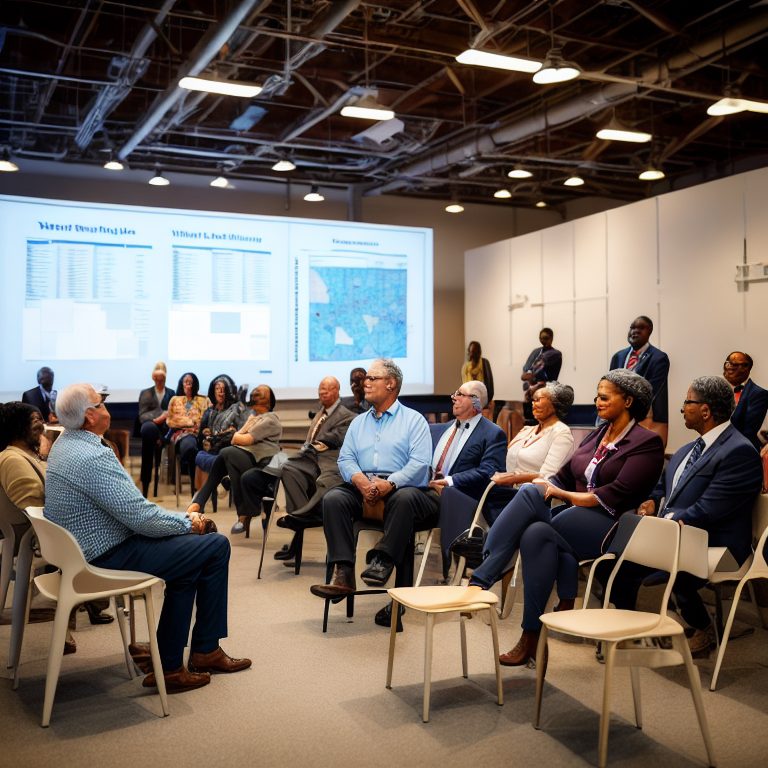
You don’t have to be a politician to influence how district lines are drawn. Most states have public hearings where citizens can comment on proposed maps and suggest alternative boundaries that better serve their communities.
Many states also have online mapping tools that let ordinary citizens draw their own district proposals. These tools show how different boundary choices affect representation and can help you create maps that keep your community together.
Community organizations often lead redistricting advocacy efforts, bringing together residents to speak with one voice about how proposed changes would affect them. These groups can help you understand the technical aspects of redistricting and connect you with others who share your concerns.
The key is getting involved early in the process. Once district lines are finalized, they typically stay in place for ten years, so your input during the drawing phase is crucial for protecting your community’s interests.
The Future of Redistricting Reform
Many people believe the redistricting process needs fundamental reform to reduce partisan manipulation and better serve communities. Several states have already moved to independent redistricting commissions that take the map-drawing power away from politicians.
These commissions typically include citizens from different political backgrounds, along with non-partisan staff who ensure the process follows legal requirements. The goal is to create maps based on community interests rather than partisan advantage.
Technology is also changing how redistricting works. Advanced mapping software and demographic analysis tools make it easier to identify when district lines are drawn to manipulate voting power. This transparency helps citizens and advocacy groups hold the redistricting process accountable.
Some reformers advocate for algorithmic approaches to redistricting that would create maps based on neutral criteria like keeping communities of interest together and creating compact districts. While these approaches have limitations, they represent efforts to take politics out of the line-drawing process.
Frequently Asked Questions (FAQ)
What exactly is redistricting?
Redistricting is the process of redrawing the boundaries of voting districts based on population changes shown in the Census. It happens every ten years to ensure each district has roughly the same number of people.
How can I find out if my district is changing?
Most states publish proposed district maps online during the redistricting process. You can also contact your local election office or visit websites like Ballotpedia that track redistricting changes.
Why do some districts look so strangely shaped?
Unusual district shapes often result from attempts to include or exclude specific populations, create safe seats for certain parties, or comply with legal requirements like protecting minority voting rights. These shapes can indicate political manipulation of the process.
Can communities challenge unfair district maps?
Yes, communities can challenge district maps in court if they believe the lines were drawn unfairly or violate voting rights laws. Many successful legal challenges have resulted in maps being redrawn to better serve communities.
How long do new district boundaries last?
New district boundaries typically remain in effect for ten years, until the next Census requires redistricting. This means changes to your representation can affect your community for an entire decade.
What’s the difference between redistricting and gerrymandering?
Redistricting is the legitimate process of adjusting district boundaries for population balance. Gerrymandering is the manipulation of those boundaries for political advantage, often creating oddly shaped districts to benefit one party or group.
Conclusion
Redistricting shapes your community’s political power for an entire decade, affecting everything from which representatives fight for your interests to how local resources get allocated. The lines drawn today determine whether your voice gets heard tomorrow.
Understanding how redistricting affects your community empowers you to get involved in the process and protect your interests. Whether it’s attending public hearings, joining advocacy groups, or simply staying informed about proposed changes, your participation matters.
The next time you see news about redistricting, remember that it’s not just about politics – it’s about your community’s future. Those district lines determine who has the power to make decisions that affect your daily life, from the quality of your local schools to the development of your neighborhood.
By staying engaged and informed about redistricting, you help ensure that your community’s voice remains strong in our democracy. After all, the purpose of representative government is to serve the people, and that starts with drawing fair districts that truly represent community interests.
###IMAGEPROMPTSTART###
A close-up of hands placing voting district puzzle pieces on a large community map, with diverse citizens in the background discussing the changes, warm color tones, documentary-style photography
###IMAGEPROMPTEND###