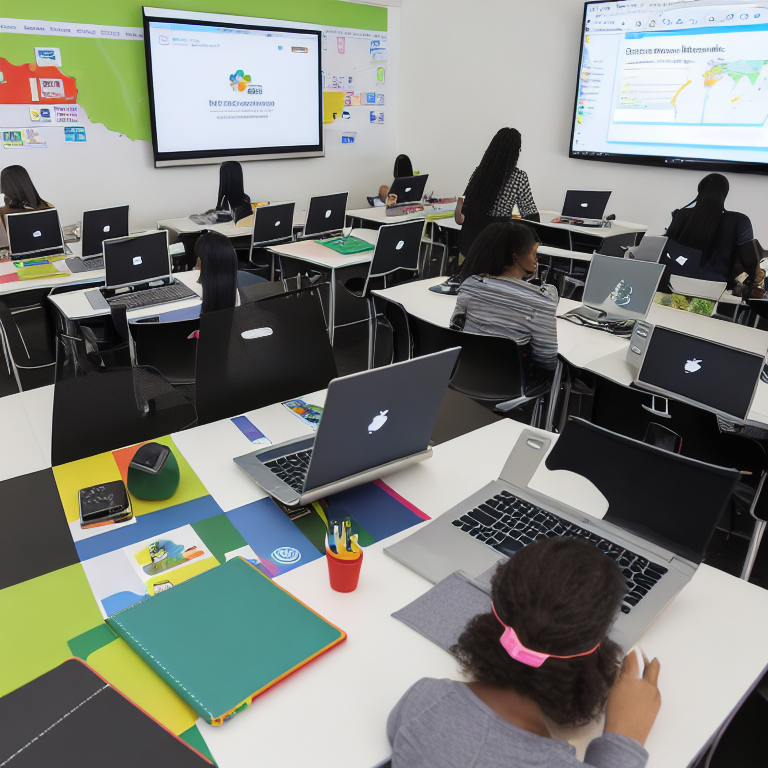
When schools closed during the pandemic, something unexpected happened. Teachers and students discovered that learning could happen anywhere, anytime, through screens and devices. This wasn’t just a temporary fix—it turned out to be the beginning of a massive shift in how education works around the world.
Online learning has grown from a backup plan into a powerful tool that’s changing schools everywhere. Students in rural villages can now take classes from top universities. Teachers can reach hundreds of students across different time zones. Parents can track their children’s progress in real time. The classroom walls have come down, and learning has become borderless.
This transformation is happening faster than many people expected. What started as emergency remote learning has evolved into sophisticated online education systems that blend the best of traditional teaching with digital innovation. Let’s explore how online learning is reshaping schools and what this means for students, teachers, and families everywhere.
The Digital Classroom Revolution
The shift to online learning didn’t happen overnight, but it accelerated rapidly when schools needed alternatives. Today’s digital classrooms are nothing like the simple video calls many experienced during lockdowns. Modern online learning platforms offer interactive whiteboards, breakout rooms for group work, instant quizzes, and even virtual reality experiences.
Teachers have learned to create engaging digital content that keeps students focused. They use polls, games, and multimedia presentations to make lessons more interactive. Students can pause, rewind, and review material as needed, which helps different learning styles. The technology has become so advanced that many students don’t even realize they’re learning online—it feels natural and intuitive.
Schools have invested heavily in learning management systems that organize everything in one place. Students can access assignments, submit work, communicate with teachers, and track their progress all through a single platform. This organization reduces confusion and helps everyone stay on the same page, whether they’re in the classroom or halfway around the world.
Breaking Down Geographic Barriers
One of the most exciting aspects of online learning is how it connects students across the globe. A student in Kenya can now take an advanced math course taught by a professor in California. A teenager in rural India can learn coding from experts in Silicon Valley. This global access to education was impossible just a few years ago.
International collaboration has become much easier. Students work on projects with peers from different countries, learning about different cultures while developing teamwork skills. Virtual exchange programs let students experience classrooms in other nations without leaving home. This exposure to diverse perspectives prepares students for our interconnected world.
The economic impact is significant too. Families in expensive cities no longer need to pay premium prices for quality education. Students in developing countries can access world-class resources without expensive travel or relocation. This democratization of education is creating opportunities for millions who previously faced geographic limitations.
Personalized Learning at Scale
Online learning excels at personalization in ways traditional classrooms struggle to match. Adaptive learning software adjusts difficulty based on student performance, providing extra help when needed or accelerating when students excel. This means no student gets left behind or held back by the pace of the entire class.
Data analytics give teachers unprecedented insights into student progress. They can see exactly where each student struggles and provide targeted support. Automated grading frees up teachers’ time for more meaningful interactions. Students receive immediate feedback instead of waiting days for papers to be returned.
The flexibility benefits different types of learners. Visual learners can watch videos repeatedly. Auditory learners can listen to recorded lectures. Hands-on learners can access interactive simulations. Students with disabilities can use assistive technologies that make learning more accessible. Everyone gets support tailored to their needs.
The Rise of Hybrid Learning Models
Most schools aren’t choosing between online and in-person learning anymore. They’re combining both into hybrid models that offer the best of both worlds. Students might attend physical classes for hands-on activities while completing independent work online. This flexibility helps schools manage space constraints and gives students more control over their learning.
Hybrid models also prepare students for the future workplace, where remote collaboration is increasingly common. Students learn to manage their time, communicate effectively online, and take responsibility for their learning. These are valuable life skills that go beyond academic content.
Schools are redesigning physical spaces to support hybrid learning. Libraries become collaboration hubs. Classrooms get equipped with technology for seamless switching between in-person and online participants. This investment in infrastructure shows that online learning is here to stay as a core part of education.
Teacher Training and Professional Development
The rapid shift to online learning revealed a critical need: teachers need proper training to use digital tools effectively. Many educators had to learn new skills quickly, often without adequate support. This experience highlighted the importance of ongoing professional development in educational technology.
Teacher training programs now include courses on online instruction, digital assessment, and virtual classroom management. Experienced online educators share best practices through professional learning communities. Schools provide technical support and resources to help teachers integrate technology smoothly.
The focus has shifted from just using technology to using it effectively. Teachers learn to create engaging online content, build digital communities, and maintain student motivation in virtual environments. This professional growth benefits all students, whether they learn online or in traditional classrooms.
Economic Implications for Education
The economics of education are changing dramatically with online learning. Schools save money on facilities, transportation, and physical materials. These savings can be reinvested in technology, teacher training, or student support services. Some schools are exploring subscription models where families pay for access to online courses rather than traditional tuition.
New business models are emerging. Companies offer individual courses, micro-credentials, and specialized programs that compete with traditional degrees. This competition drives innovation and gives students more choices. However, it also raises questions about quality control and accreditation.
The cost of education may decrease for many families, but access to technology remains a barrier. Schools and governments are working to provide devices and internet access to ensure all students can participate in online learning. This digital divide is a critical challenge that needs addressing.
Student Mental Health and Online Learning
Online learning affects student mental health in complex ways. Some students thrive with the flexibility and reduced social pressure. Others struggle with isolation, screen fatigue, and the lack of face-to-face interaction. Schools are learning to support student wellbeing in digital environments.
Virtual counseling services, online support groups, and digital wellness programs are becoming common. Teachers receive training on recognizing signs of distress in online settings. Schools create schedules that balance screen time with offline activities and physical movement.
The social aspect of learning remains crucial. Schools organize virtual social events, online clubs, and digital community-building activities. They recognize that education isn’t just about academics—it’s about human connection and development.
The Future of Assessment and Credentials
Online learning is changing how we measure and recognize achievement. Traditional exams are being replaced by continuous assessment, project-based learning, and digital portfolios. Students demonstrate their knowledge through presentations, videos, and interactive projects rather than just written tests.
Micro-credentials and digital badges are gaining popularity. Students can earn certificates for specific skills that employers value. These credentials are verifiable and portable, making them useful for career advancement. The traditional four-year degree is no longer the only path to success.
Artificial intelligence is being used to provide sophisticated assessment and feedback. AI can analyze student work, identify patterns, and suggest improvements. This technology helps teachers provide more personalized feedback while reducing their workload.
Global Policy and Educational Standards
Countries are developing policies to regulate and support online learning. Some nations have created national online learning platforms. Others have established standards for online course quality and teacher certification. International organizations are working to ensure online education meets global standards.
The challenge is balancing innovation with quality control. Too much regulation can stifle creativity and limit access. Too little can result in low-quality programs that harm students. Finding the right approach requires collaboration between educators, policymakers, and technology experts.
Data privacy and security are major concerns. Schools must protect student information while using data to improve learning outcomes. Clear policies and robust security measures are essential as online learning becomes more widespread.
Technology Infrastructure and Access
The success of online learning depends on reliable technology infrastructure. Schools need high-speed internet, modern devices, and technical support. Many regions still lack this basic infrastructure, creating inequalities in access to online education.
Governments and private companies are investing in expanding internet access to underserved areas. Mobile learning solutions help students in regions with limited connectivity. Offline capabilities allow students to download materials and work without constant internet access.
The cost of technology is decreasing, making devices more affordable. Open educational resources provide free learning materials. These developments help reduce barriers to online learning, though challenges remain in many parts of the world.
Parent and Family Involvement
Online learning has changed the relationship between schools and families. Parents can more easily monitor their children’s progress and communicate with teachers. This increased involvement can support student success but also creates new challenges.
Schools provide resources and training to help parents support online learning. They recognize that not all parents have the time, skills, or resources to be heavily involved. The goal is to create partnerships that benefit students without overwhelming families.
Family dynamics around education are shifting. Siblings might help each other with online classes. Grandparents might participate in virtual story times. The home becomes an extension of the school, creating new opportunities for learning and connection.
Environmental Impact
Online learning has environmental benefits compared to traditional education. Reduced commuting decreases carbon emissions. Digital materials save trees and reduce waste. Schools can operate with smaller physical footprints, preserving land and resources.
However, online learning also has environmental costs. Energy consumption for data centers and devices is significant. Electronic waste from outdated equipment is a growing concern. The net environmental impact depends on how online learning is implemented and managed.
Schools are exploring ways to maximize the environmental benefits while minimizing the costs. This includes using renewable energy for data centers, promoting device recycling, and teaching students about sustainable technology use.
Cultural Shifts in Education
Online learning is changing cultural attitudes about education. The idea that learning only happens in classrooms between certain ages is becoming outdated. People are embracing lifelong learning and recognizing multiple paths to knowledge and skills.
Different cultures are adapting online learning in unique ways. Some emphasize individual achievement and competition. Others focus on community and collaboration. These cultural differences create diverse approaches to online education that enrich the global learning ecosystem.
The global nature of online learning promotes cultural exchange and understanding. Students learn to work with people from different backgrounds and perspectives. This prepares them for an increasingly diverse and interconnected world.
Economic Opportunities and Challenges
Online learning creates new economic opportunities for educators, entrepreneurs, and students. Teachers can reach global audiences and earn additional income. Educational technology companies create jobs and drive innovation. Students gain skills that lead to better career prospects.
However, economic challenges exist too. The cost of technology and internet access can be prohibitive for some families. The quality of online programs varies widely, making it hard for students to choose wisely. The traditional education system, with its established credentials and networks, still holds significant advantages.
The economic impact extends beyond education. Online learning affects real estate (less need for classroom space), transportation (reduced commuting), and publishing (digital vs. physical materials). These ripple effects are reshaping entire industries.
Looking Ahead: The Next Decade of Online Learning
The next ten years will bring even more dramatic changes to online learning. Artificial intelligence will provide increasingly sophisticated personalization and support. Virtual and augmented reality will create immersive learning experiences. Blockchain technology may revolutionize how we verify and share credentials.
The line between online and offline learning will continue to blur. Hybrid models will become the norm rather than the exception. Education will become more flexible, accessible, and tailored to individual needs and goals.
The challenge will be ensuring that these advances benefit everyone, not just those with resources and connections. Addressing the digital divide, maintaining quality standards, and supporting the human aspects of learning will be crucial as online education continues to evolve.
Frequently Asked Questions (FAQ)
What are the main benefits of online learning compared to traditional classroom education?
Online learning offers several key advantages. Students can learn at their own pace, accessing materials whenever they need them. This flexibility helps different learning styles and schedules. Online platforms provide immediate feedback and adaptive content that adjusts to student performance. Geographic barriers disappear, allowing access to top educators and resources regardless of location. Students also develop valuable digital skills and self-directed learning habits that prepare them for modern workplaces.
How can schools ensure quality in online education programs?
Quality online education requires several elements working together. First, courses need clear learning objectives and rigorous content developed by qualified educators. Interactive elements like discussions, projects, and assessments keep students engaged. Regular feedback and support from instructors help students stay on track. Technical infrastructure must be reliable and user-friendly. Finally, accreditation and quality standards specific to online learning help ensure programs meet educational goals. Many schools use external reviews and student feedback to continuously improve their online offerings.
What challenges do students face with online learning and how can they be addressed?
Students commonly struggle with motivation, time management, and technical issues in online learning. The lack of face-to-face interaction can feel isolating. To address these challenges, schools provide structured schedules, regular check-ins with teachers, and opportunities for peer interaction through discussion forums and group projects. Technical support helps with device and connectivity issues. Building online learning skills through orientation programs prepares students for success. Creating a dedicated study space at home and establishing routines also helps students adapt to online learning environments.
How is online learning affecting the role of teachers?
Teachers’ roles are evolving significantly with online learning. They become facilitators and mentors rather than just information providers. Teachers need new skills in digital content creation, online classroom management, and data analysis to track student progress. They spend more time providing individual feedback and support. The focus shifts to creating engaging online experiences and building digital learning communities. While some routine tasks are automated, teachers’ expertise in pedagogy and student support becomes even more valuable. Professional development in educational technology is essential for teachers to succeed in online environments.
What does the future hold for the integration of online and traditional learning?
The future points toward seamless integration of online and traditional learning, often called blended or hybrid learning. Physical classrooms will be redesigned to support both in-person and online participants. Artificial intelligence will provide personalized learning paths that combine various delivery methods. Credentials will become more modular, allowing students to mix and match courses from different providers. Virtual and augmented reality will create immersive learning experiences that blend physical and digital elements. The key will be using technology to enhance, not replace, the human connections and hands-on experiences that make learning effective.
Conclusion
Online learning has moved from a temporary solution to a permanent transformation of education. It’s breaking down barriers, personalizing learning, and creating opportunities that were impossible just a few years ago. The classroom is no longer confined to four walls—it’s everywhere, accessible to anyone with an internet connection.
This transformation brings both exciting possibilities and significant challenges. We must ensure that quality education remains accessible to all, not just those with resources and technology. We need to support teachers as they adapt to new roles and develop new skills. We must address the social and emotional aspects of learning that happen naturally in physical classrooms.
The future of education isn’t about choosing between online and traditional learning. It’s about finding the right blend that serves each student’s needs and prepares them for a world where digital skills and global connections are essential. As online learning continues to evolve, it promises to make education more flexible, accessible, and effective for students everywhere.
The changes we’re seeing now are just the beginning. As technology advances and our understanding of effective online learning grows, we can expect even more innovative approaches to education. The key is to embrace these changes while keeping our focus on what matters most: helping every student reach their full potential, wherever they are in the world.
Leave a Reply