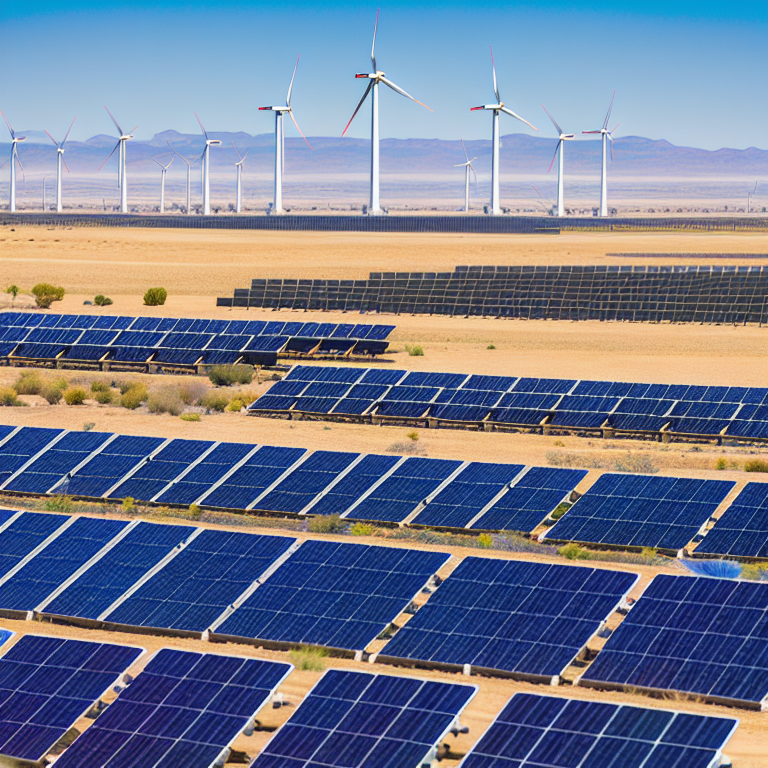
People around the world are talking about renewable energy more than ever before. Walk down any street in a major city, and you’ll hear conversations about solar panels, wind farms, and electric cars. This shift isn’t just a passing trend – it represents a fundamental change in how we power our lives.
The urgency behind renewable energy comes from multiple directions. Climate change is no longer a distant threat but a present reality, with record-breaking temperatures, extreme weather events, and rising sea levels affecting communities globally. At the same time, traditional fossil fuels are becoming more expensive and politically complicated to obtain. Countries that once relied heavily on oil and gas imports are now looking for ways to produce their own clean energy.
The economic benefits are equally compelling. Renewable energy technologies have become dramatically cheaper over the past decade. Solar panels that cost thousands of dollars a few years ago now cost a fraction of that, and wind turbines are producing electricity at record-low prices. This cost reduction has made renewable energy competitive with, and often cheaper than, traditional power sources.
How Climate Change Drives the Renewable Energy Push
The connection between fossil fuels and climate change is well-established. When we burn coal, oil, and natural gas, we release carbon dioxide into the atmosphere. This greenhouse gas traps heat, causing global temperatures to rise. The consequences are already visible: melting glaciers, more intense hurricanes, prolonged droughts, and shifting weather patterns that affect agriculture worldwide.
Many countries have set ambitious targets to reduce their carbon emissions. The European Union aims to be carbon-neutral by 2050, while China has pledged to peak its emissions before 2030. These commitments require massive investments in renewable energy infrastructure. Solar farms, offshore wind turbines, and hydroelectric projects are being built at unprecedented scales.
The transition isn’t just about environmental responsibility – it’s about survival. Small island nations face existential threats from rising sea levels. Agricultural communities worry about changing rainfall patterns that could destroy their livelihoods. Even wealthy nations recognize that the economic costs of climate change could far exceed the investments needed for renewable energy today.
Economic Advantages of Renewable Energy
Renewable energy isn’t just good for the planet – it’s becoming the smart financial choice. The levelized cost of electricity from solar and wind has fallen by about 70% and 89% respectively since 2010. This dramatic price drop means that in many parts of the world, building new renewable energy capacity is now cheaper than operating existing coal or natural gas plants.
Job creation represents another major economic benefit. The renewable energy sector employed over 12 million people globally in 2022, according to the International Renewable Energy Agency. These jobs span installation, manufacturing, maintenance, and research. Unlike fossil fuel jobs that are concentrated in specific regions, renewable energy jobs can be distributed across rural and urban areas alike.
Energy independence has become a national security priority for many countries. Nations that rely heavily on imported fossil fuels are vulnerable to price fluctuations and supply disruptions. By developing domestic renewable resources, countries can stabilize their energy costs and reduce dependence on foreign suppliers. This shift has geopolitical implications, potentially reducing conflicts over oil and gas resources.
Technological Innovations Accelerating the Transition
Solar technology has advanced far beyond the basic panels we see on rooftops. Perovskite solar cells promise higher efficiency at lower costs. Bifacial panels capture sunlight from both sides, increasing energy production. Building-integrated photovoltaics turn entire building surfaces into power generators. These innovations are making solar energy more versatile and accessible.
Wind energy is also evolving rapidly. Offshore wind turbines are growing larger and more powerful, with some models capable of powering thousands of homes each. Floating wind farms can be deployed in deeper waters where winds are stronger and more consistent. Advanced materials and design improvements are making turbines more efficient and durable.
Energy storage technologies are critical for renewable energy’s success. Batteries are becoming cheaper and more efficient, allowing excess solar and wind energy to be stored for use when the sun isn’t shining or wind isn’t blowing. Other storage solutions include pumped hydro, compressed air, and hydrogen fuel cells. These technologies solve the intermittency problem that once limited renewable energy’s potential.
How Countries Are Leading the Way
Some nations have embraced renewable energy more aggressively than others. Denmark generates about 50% of its electricity from wind power and aims to be carbon-neutral by 2050. Costa Rica has run on nearly 100% renewable electricity for multiple years, primarily through hydroelectric power complemented by wind and solar. Iceland uses its abundant geothermal resources to provide most of its heating and electricity.
China has become the world’s largest producer of solar panels and wind turbines. The country installed more renewable energy capacity in 2022 than the rest of the world combined. This massive investment serves multiple purposes: reducing air pollution in Chinese cities, creating export industries, and positioning China as a leader in clean technology.
Smaller nations are also making remarkable progress. How a Tiny Country Became a Renewable Energy Leader showcases how Uruguay transformed its energy sector, going from near-total dependence on imported oil to generating 98% of its electricity from renewable sources in just a decade. The country achieved this through a combination of wind, solar, biomass, and hydropower investments.
The Role of Electric Vehicles in the Energy Transition
Electric vehicles represent a crucial link between renewable energy and transportation. As more cars, buses, and trucks switch to electric power, the demand for clean electricity grows. This creates a virtuous cycle: more renewable energy makes electric vehicles cleaner, while the growth of electric vehicles drives demand for more renewable energy.
Vehicle-to-grid technology takes this connection further. Electric cars can serve as mobile batteries, storing excess renewable energy during the day and feeding it back to the grid when demand is high. This capability helps balance the intermittent nature of solar and wind power while providing additional value to EV owners.
The Rise of Electric Vehicles: What It Means for Global Markets explores how this transition is reshaping industries from automotive manufacturing to mining for battery materials. Countries that master electric vehicle production and renewable energy integration are positioning themselves for economic leadership in the coming decades.
Challenges and Solutions in the Renewable Transition
Despite the progress, significant challenges remain. Renewable energy infrastructure requires substantial upfront investment, even though operating costs are low. Many developing countries lack the capital to build large-scale solar or wind projects. International financing mechanisms and technology transfer programs are helping address this gap.
Grid modernization presents another challenge. Traditional power grids were designed for centralized fossil fuel plants, not distributed renewable sources. Smart grid technologies, advanced sensors, and improved forecasting tools are making it possible to manage complex, decentralized energy systems. These upgrades are essential for renewable energy to reach its full potential.
Energy justice concerns must also be addressed. The renewable transition shouldn’t leave vulnerable communities behind. Programs that provide affordable solar installations for low-income households, create local jobs in renewable energy projects, and ensure equitable access to clean energy benefits are crucial for a just transition.
The Impact on Global Markets and Trade
The renewable energy boom is reshaping global trade patterns. Countries that once imported vast quantities of fossil fuels are now becoming energy exporters through renewable technologies. Australia, blessed with abundant sunlight and wind, is developing massive solar and wind projects to produce green hydrogen for export to Asian markets.
Manufacturing supply chains are also evolving. The production of solar panels, wind turbines, and batteries requires specific raw materials like lithium, cobalt, and rare earth elements. This has created new trade relationships and geopolitical considerations. Nations rich in these resources have new economic opportunities, while concerns about supply chain security are driving investments in domestic production.
Energy price volatility affects all sectors of the economy. How Rising Fuel Prices Impact Small Business Shipping Costs demonstrates how transportation costs directly impact everything from food prices to online shopping. As renewable energy reduces dependence on volatile fossil fuel markets, businesses can better predict and control their energy costs.
The Future of Renewable Energy
Looking ahead, several trends will shape renewable energy’s future. Artificial intelligence and machine learning are improving energy forecasting, grid management, and system optimization. Digital twins – virtual models of physical energy systems – allow operators to test scenarios and optimize performance before making real-world changes.
Green hydrogen represents an exciting frontier. Produced using renewable electricity to split water molecules, hydrogen can store energy for long periods and power sectors that are difficult to electrify, like heavy industry and long-distance shipping. Several countries are investing heavily in hydrogen infrastructure as part of their renewable energy strategies.
Community-based renewable projects are gaining popularity. From neighborhood solar gardens to municipal wind farms, these initiatives allow local communities to own and benefit from clean energy projects. This democratization of energy production builds public support for renewable energy while keeping economic benefits local.
Frequently Asked Questions (FAQ)
What is renewable energy and why is it important?
Renewable energy comes from natural sources that replenish themselves, such as sunlight, wind, rain, tides, and geothermal heat. It’s important because it produces little to no greenhouse gas emissions, reduces air pollution, creates jobs, and provides energy security by reducing dependence on imported fuels.
How much does renewable energy cost compared to fossil fuels?
The cost of renewable energy has fallen dramatically and is now often cheaper than fossil fuels. Solar and wind power frequently offer the lowest cost electricity in many markets. While upfront installation costs exist, the operating costs are minimal since fuel (sunlight and wind) is free.
Can renewable energy power the entire world?
Yes, renewable energy has the potential to power the entire world. Studies show that solar and wind resources alone could meet global electricity demand many times over. The main challenges are storage, grid modernization, and the political will to make the transition, rather than technical limitations.
How do renewable energy jobs compare to fossil fuel jobs?
Renewable energy already employs more people globally than the fossil fuel industry. These jobs tend to be more distributed geographically and often require different skills. The renewable sector includes manufacturing, installation, maintenance, and research positions that are growing as the industry expands.
What can individuals do to support renewable energy?
Individuals can support renewable energy by installing solar panels if possible, choosing renewable electricity options from their utility, purchasing electric vehicles, improving home energy efficiency, and advocating for renewable energy policies. Even small actions collectively make a significant impact.
Conclusion
The global shift toward renewable energy represents one of the most significant transformations in human history. What began as a response to environmental concerns has evolved into an economic and technological revolution that’s reshaping how we power our world. The combination of falling costs, technological innovation, and growing climate awareness has created unstoppable momentum.
Countries, companies, and communities worldwide are discovering that renewable energy isn’t just about protecting the environment – it’s about building more resilient, prosperous, and equitable societies. From the massive solar farms in China to the community wind projects in Denmark, from the electric vehicle revolution to the emerging hydrogen economy, the pieces of a clean energy future are falling into place.
The transition won’t happen overnight, and challenges remain. But the direction is clear, and the benefits are increasingly evident. As renewable energy becomes the default choice rather than the alternative, we’re not just changing how we power our lives – we’re creating a more sustainable and hopeful future for generations to come.
Leave a Reply