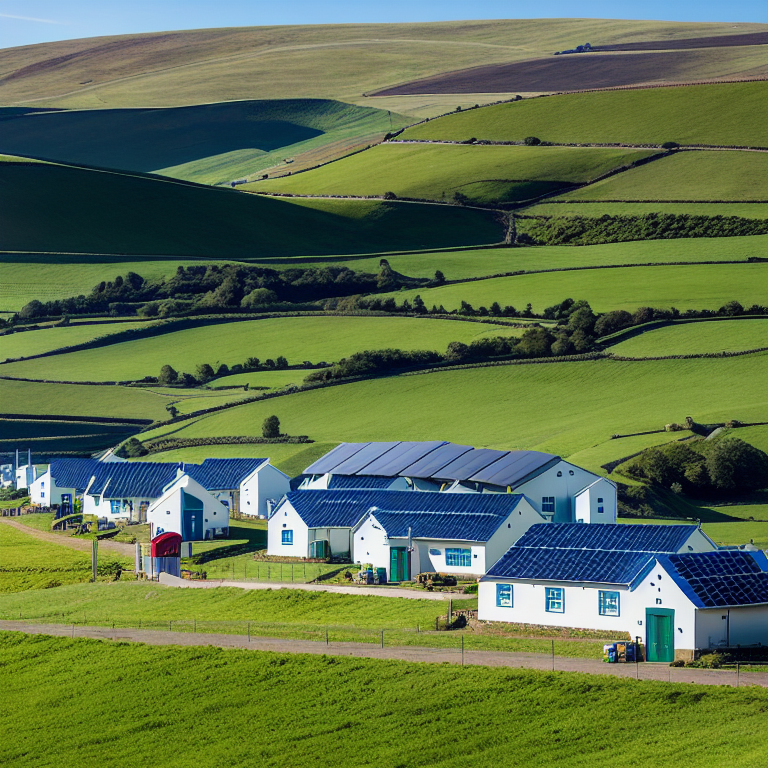
In a world where big nations dominate headlines, one tiny country has quietly become a global leader in renewable energy. This remarkable transformation didn’t happen overnight. It took vision, innovation, and a commitment to sustainability that has inspired people around the world. Today, we’ll explore how this small nation achieved something extraordinary and what lessons we can learn from their journey.
The Starting Point: A Nation’s Energy Challenge
Like many countries, this tiny nation once relied heavily on fossil fuels for its energy needs. The dependence on imported oil and coal made them vulnerable to price fluctuations and supply disruptions. Additionally, they faced unique geographical challenges that made traditional energy infrastructure difficult and expensive to maintain across their diverse terrain.
The turning point came when their government recognized that their small size could actually be an advantage in the renewable energy transition. Instead of seeing limitations, they saw opportunities to implement innovative solutions that larger countries might struggle to coordinate. This mindset shift would prove crucial to their success.
Strategic Planning and National Commitment
The country’s leadership developed a comprehensive national energy strategy that set ambitious but achievable goals. They understood that transitioning to renewable energy would require more than just installing solar panels and wind turbines. It demanded a complete reimagining of their energy infrastructure, economic policies, and even cultural attitudes toward energy consumption.
They began by conducting extensive research to identify which renewable sources would work best for their specific geographic and climatic conditions. This data-driven approach helped them avoid costly mistakes and focus their resources on the most promising technologies. The government also made a crucial decision to invest heavily in education and training programs to build a skilled workforce capable of supporting the renewable energy industry.
Harnessing Natural Resources
The country’s geographic diversity turned out to be a hidden advantage. Their coastline provided excellent conditions for offshore wind farms, while inland areas received consistent sunlight perfect for solar installations. They also discovered that their mountainous regions had significant potential for hydroelectric power generation.
Rather than trying to force a one-size-fits-all solution, they developed a diversified renewable energy portfolio that leveraged each region’s unique strengths. This approach not only maximized energy production but also created a more resilient system that could withstand weather variations and other challenges.
Smart Grid Technology and Energy Storage
One of the most innovative aspects of their transformation was the development of a sophisticated smart grid system. This technology allows for real-time monitoring and management of energy production and consumption across the entire country. The smart grid can automatically adjust to changing conditions, directing power where it’s needed most and preventing waste.
Energy storage solutions were another crucial component of their success. They invested in various storage technologies, including advanced battery systems and pumped hydroelectric storage. These storage facilities help balance the intermittent nature of renewable sources like wind and solar, ensuring a stable power supply even when conditions aren’t ideal for energy generation.
Economic Benefits and Job Creation
The renewable energy transition has brought significant economic benefits to this tiny nation. New industries have emerged around manufacturing, installation, and maintenance of renewable energy systems. The country has become a hub for renewable energy research and development, attracting international investment and talent.
Job creation has been particularly impressive. The renewable energy sector now employs more people than the traditional energy industry ever did, with opportunities ranging from high-tech engineering positions to skilled trades and manufacturing jobs. Many of these positions offer competitive wages and good benefits, contributing to the country’s overall economic prosperity.
Community Engagement and Education
Success in renewable energy transition required more than just technological solutions. The country invested heavily in community education and engagement programs to help citizens understand and embrace the changes. Schools incorporated renewable energy topics into their curricula, and public awareness campaigns helped people understand how they could contribute to the transition.
Community-owned renewable energy projects became popular, allowing citizens to invest in and benefit directly from local installations. This approach not only generated support for renewable energy but also ensured that the economic benefits were distributed throughout the population rather than concentrated in the hands of a few large corporations.
International Leadership and Knowledge Sharing
Having achieved remarkable success in their own transition, this tiny country has become a global leader in renewable energy policy and technology. They now share their experiences and expertise with other nations through international partnerships and development programs.
Their success story has inspired similar initiatives in other small countries and even influenced policy discussions in larger nations. The country hosts international conferences and training programs, helping other nations learn from their experiences and avoid common pitfalls in renewable energy transitions.
Environmental and Health Benefits
The environmental benefits of this transformation have been substantial. Carbon emissions have dropped dramatically, helping the country meet and exceed its climate commitments. Air and water quality have improved significantly, leading to better public health outcomes and reduced healthcare costs.
The country’s natural landscapes have also benefited from the transition. Many renewable energy installations are designed to work in harmony with the environment, and some have even created new habitats for wildlife. The reduction in fossil fuel extraction and transportation has helped preserve sensitive ecosystems.
Looking to the Future
This tiny country’s success story is far from over. They continue to push the boundaries of renewable energy technology and implementation. Current initiatives include developing even more efficient solar panels, exploring new energy storage solutions, and working on ways to make their transportation sector completely renewable.
They’re also focusing on making their renewable energy systems even more resilient to climate change and other challenges. This includes researching how to maintain reliable power during extreme weather events and developing backup systems for critical infrastructure.
Frequently Asked Questions (FAQ)
What makes this country’s approach to renewable energy unique?
This country’s success stems from its comprehensive, integrated approach that combines technological innovation with strong community engagement and smart policy decisions. They didn’t just install renewable energy systems; they transformed their entire energy ecosystem.
How long did it take for this country to become a renewable energy leader?
The transition took approximately 15-20 years, though significant progress was made in the first decade. The key was maintaining consistent policies and investments over time rather than expecting overnight results.
What were the biggest challenges they faced?
The main challenges included initial high costs, technical hurdles in integrating different renewable sources, and the need to change public attitudes about energy consumption. They also had to overcome resistance from traditional energy interests.
How has this transformation affected the country’s economy?
The renewable energy transition has been an economic boon, creating new jobs, attracting investment, and reducing energy costs over time. The country has also developed new export industries around renewable energy technology and expertise.
Can larger countries replicate this success?
Many aspects of this country’s approach can be scaled up for larger nations, though implementation would need to be adapted to different contexts. The key principles of comprehensive planning, community engagement, and technological innovation are universally applicable.
What role did government policy play in this success?
Government policy was crucial, providing consistent support through incentives, regulations, and long-term planning. The government also played a key role in coordinating different stakeholders and ensuring that the transition benefited all citizens.
Conclusion
The story of how this tiny country became a renewable energy leader offers valuable lessons for the rest of the world. Their success demonstrates that with vision, commitment, and smart planning, even the smallest nations can make a big impact on global sustainability challenges. By combining technological innovation with community engagement and strong policy frameworks, they’ve created a model that other countries can adapt and learn from.
As we face increasing climate challenges, their example shows that transformation is possible when we approach problems with creativity and determination. The tiny country’s journey from fossil fuel dependence to renewable energy leadership proves that size doesn’t determine impact – it’s the quality of our ideas and our commitment to implementation that truly matters.
Their story continues to evolve, with new innovations and initiatives always on the horizon. As they push forward, they’re not just securing their own sustainable future but also lighting the way for others to follow. In a world that often seems overwhelmed by environmental challenges, this tiny country stands as a beacon of hope and possibility.
Leave a Reply