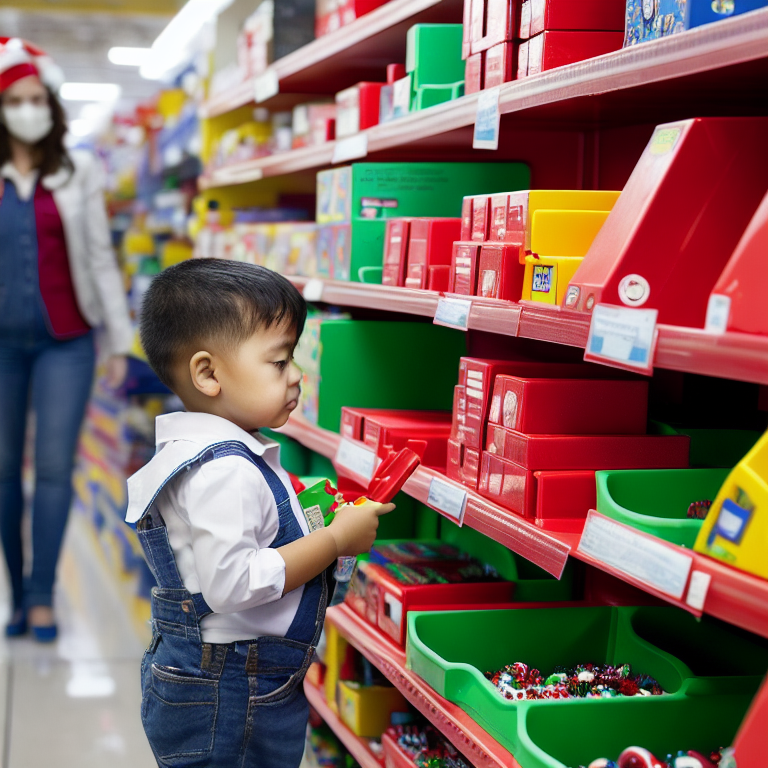
The holiday season is supposed to be filled with joy, laughter, and the excitement of unwrapping gifts. But this year, many parents are feeling a different kind of stress when it comes to buying toys. Supply chain delays have created a perfect storm that’s driving up toy prices and making it harder to find popular items. Let’s dive into what’s happening and how it affects your holiday shopping.
What’s Causing These Supply Chain Delays?
The toy industry relies on a complex network of manufacturers, shippers, and retailers working together smoothly. Right now, several problems are creating bottlenecks at every step. Factory shutdowns in Asia due to COVID-19 outbreaks have reduced production capacity. Shipping containers are in short supply, and when they are available, port congestion means ships wait weeks to unload. Once goods finally arrive in the US, there’s a shortage of truck drivers to transport them to stores.
These delays mean toys that usually take 30 days to reach store shelves now take 60-90 days or longer. Some shipments are being canceled entirely because retailers can’t afford to wait that long. The result is fewer toys available when families want to buy them most.
How Delays Drive Up Toy Prices
When supply decreases but demand stays the same or increases, prices naturally rise. Toy manufacturers are facing higher costs at every turn. Raw materials like plastic and cardboard cost more than they did last year. Shipping a container from Asia to the US has gone from about $3,000 to over $20,000 in some cases. These increased costs get passed along to consumers.
Retailers are also dealing with higher expenses. They’re paying more for storage space as warehouses fill up with delayed shipments. Some stores are hiring extra staff to manage inventory issues. All these added costs mean the price tag you see on a toy this year likely includes several layers of increased expenses.
The Impact on Popular Toys and Brands
Not all toys are affected equally by supply chain problems. Smaller items that fit more easily in shipping containers are still reaching stores, though they cost more. Larger items like ride-on toys, playhouses, and outdoor equipment are hit hardest. These big toys take up more space and weight, making them expensive to ship and store.
Some popular brands are particularly affected. Companies that rely heavily on Asian manufacturing and complex assembly processes are struggling most. Toys with many electronic components face additional delays as chip shortages continue to affect multiple industries.
How Retailers Are Responding
Stores are trying various strategies to manage the toy shortage and high prices. Many are ordering holiday inventory months earlier than usual, but even that doesn’t guarantee products will arrive on time. Some retailers are limiting how many of each toy a customer can buy to prevent hoarding and ensure more families can get at least some gifts.
Price increases vary by store and item. Some retailers are absorbing part of the higher costs to keep prices competitive, while others are passing most increases to customers. Many stores are promoting alternatives to popular toys, suggesting similar items that might be easier to find and less expensive.
What This Means for Your Holiday Budget
Families planning their holiday spending need to prepare for higher toy prices this year. Industry experts suggest prices for many popular toys will be 15-30% higher than last year. That means a toy that cost $20 in 2021 might cost $23-$26 this year.
The timing of your shopping matters more than ever. Toys that arrive early in the season are often the only ones available. Waiting for sales or hoping prices will drop usually doesn’t work because limited supply means retailers have less incentive to offer discounts. Many stores are already warning that popular items may sell out weeks before Christmas.
Strategies for Smart Toy Shopping This Year
Start your shopping earlier than you normally would. If you see a toy your child wants that’s in stock at a reasonable price, consider buying it even if it’s earlier than your usual shopping time. The alternative might be paying more later or not finding it at all.
Consider alternatives to the most popular, hard-to-find toys. Classic board games, books, and art supplies are usually easier to find and can be just as fun. Look for toys made in countries closer to home, as these face fewer shipping delays.
Set realistic expectations with your children about what might be available. Many parents are finding that talking honestly about supply chain issues helps kids understand why they might not get every item on their wish list.
The Silver Lining: Creativity and Connection
While supply chain delays create challenges, they also offer opportunities for families to focus on what matters most during the holidays. Many parents are discovering that their children enjoy experiences and time together as much as physical gifts. Consider adding family game nights, craft projects, or outdoor activities to your holiday plans.
Some families are embracing the idea of fewer but more meaningful gifts. Others are focusing on educational toys or items that encourage creativity and learning. These alternatives often cost less and provide lasting value beyond the holiday season.
Looking Ahead: When Will Things Improve?
Supply chain experts don’t expect significant improvement until mid-2023 at the earliest. Even then, some changes may be permanent. Retailers are rethinking their inventory strategies, and some companies are moving manufacturing closer to where products are sold.
The toy industry is particularly vulnerable to supply chain disruptions because it relies so heavily on international manufacturing and shipping. However, these challenges are encouraging innovation in areas like local production, sustainable materials, and digital alternatives to physical toys.
How One African Village Became a Tech Success Story
While supply chain issues affect toy prices globally, some communities are finding creative solutions to economic challenges. In one African village, residents transformed their local economy by embracing technology and education. Their story shows how communities can adapt to global economic pressures through innovation and cooperation.
How Rising Fuel Prices Impact Small Business Shipping Costs
The toy industry’s shipping problems connect to broader economic issues affecting all businesses. Small retailers face similar challenges with rising fuel costs and shipping delays. Understanding these connections helps explain why toy prices are increasing and what might happen in other industries.
Frequently Asked Questions About Toy Prices and Supply Chain Delays
Why are toy prices higher this holiday season?
Toy prices are increasing due to multiple factors including higher manufacturing costs, expensive shipping, port congestion, and limited supply. Manufacturers and retailers are passing along their increased expenses to consumers.
Will toy prices go down after the holidays?
Most experts don’t expect significant price drops immediately after the holidays. Supply chain issues are likely to continue into 2023, and retailers typically don’t lower prices on seasonal items once the peak shopping period ends.
How can I find the best deals on toys this year?
Shop early, compare prices across multiple retailers, consider alternatives to the most popular items, and look for toys made domestically or in nearby countries to avoid shipping delays and costs.
Are all toys affected equally by supply chain delays?
No, larger items and those with complex electronics are hit hardest. Simple toys, books, and games are usually easier to find and may have smaller price increases.
Should I be worried about toys being available for Christmas?
While supply is definitely tighter, most retailers expect to have toys available throughout the season. The key is shopping earlier than usual and being flexible about specific items.
Conclusion
Supply chain delays have created a challenging holiday shopping season for toys, with higher prices and limited availability affecting families across the country. Understanding the reasons behind these changes can help you make informed decisions about your holiday shopping. By starting early, being flexible about choices, and focusing on what truly matters during the holidays, you can still create wonderful memories without breaking your budget.
The current situation also reminds us that our global economy is interconnected in complex ways. Problems in one part of the world can affect what’s available on store shelves thousands of miles away. As we navigate these challenges, many families are discovering that the holidays are about more than just the gifts under the tree. The creativity, adaptability, and connection we develop during difficult times often become the most treasured memories of all.
Leave a Reply